Healthspan and lifespan: what is the difference?
Lifespan describes how long someone lives. Healthspan describes time spent in good health, although definitions vary. Healthy ageing also includes maintaining wellbeing and the ability to do what matters to you while living with a condition or disability. Prevention, treatment, rehabilitation and a supportive environment all contribute.

Lifespan, healthspan and healthy life expectancy
An individual’s lifespan is the time from birth to death. Life expectancy is a population estimate based on mortality rates, not a prediction of the age at which a particular person will die.
The word healthspan often means years in good health, but there is no single universal definition. WHO’s healthy life expectancy is a population measure that adjusts expected years of life for the severity of ill health experienced across the lifespan.
The difference between life expectancy and healthy life expectancy represents equivalent years of full health lost across a population’s lifetime. It does not mean that everyone spends a fixed final decade ill. People can also maintain fulfilling lives, independence and meaningful activities with a chronic condition or disability.
- Daily function. Choose goals that matter to you, such as preparing meals, travelling on your own or keeping a favourite hobby.
- Prevention and care. Screening, treatment and rehabilitation can help preserve health and manage changes when they occur.
- Support and surroundings. Accessible transport, suitable housing and help from others can make everyday activities easier.
- Personal priorities. A chronic condition or disability does not prevent a fulfilling life; care should reflect what the person values.
What does compression of morbidity mean?
In 1980 an American physician, James Fries, published a paper proposing that the goal of medicine should be to squeeze the period of illness at the end of life into as short a span as possible. He called this the compression of morbidity. If the age at which chronic disease begins moves later, faster than lifespan itself increases, then the years of illness shrink.
The opposite outcome is also possible. If medicine keeps people alive longer without delaying the onset of disease, the years of illness expand. The balance between the two varies by country, by condition and by social group.
Fries's idea is the reason healthspan became a term in its own right, and it gave public health a target that people can move with ordinary habits. Delaying the start of heart disease, type 2 diabetes, frailty and dementia by even a few years changes the shape of a life more than adding those same years at the end.
Habits and care that support healthy ageing
Researchers running large population studies over decades, in many countries, keep finding the same handful of factors. Together they account for much of the difference between people who age well and people who do not.
- Not smoking. This is the largest single factor in most studies, and it is the one where stopping at any age still helps.
- Regular movement. Studies link the WHO and HPB guideline of 150 to 300 minutes of moderate activity a week, plus muscle-strengthening on two or more days, to lower rates of heart disease, diabetes, falls and dementia. Muscle and balance in particular are what keep an older person living at home.
- Blood pressure in range. Untreated high blood pressure damages the heart, kidneys, eyes and brain over years, without symptoms. Singapore's guidelines treat 140/90 as the threshold for hypertension.
- A healthy weight, and a healthy waist. Studies link excess weight around the middle to diabetes and heart disease, both of which shorten the healthy years more than the total years.
- Sleep. Study after study links seven to nine hours for adults, most nights, to better mood, memory, weight and blood sugar.
- Social ties. People with regular contact with family, friends or a community group tend to keep a sharper mind and to recover better from illness.
Diet belongs on the list as well, and it runs through several of the others. A plate built on vegetables, whole grains, legumes and fish, with less processed meat and less sugar, is the common thread in the eating patterns of populations that age well. No single food, pill or device is on the list.
Healthy ageing in Singapore
Singapore has high life expectancy by international comparison. The Department of Statistics reported 83.5 years for residents in 2024 in Population Trends 2025. This dated figure is a population estimate, not a guarantee for an individual.
Healthy life expectancy is lower than total life expectancy because it accounts for ill health across life. Comparisons require the same year and method. Subtracting unrelated national and WHO estimates does not establish how many final years the average resident will spend disabled.
Healthier SG supports prevention and ongoing care through an enrolled family doctor and a health plan. Activity programmes, active ageing centres and community connections can also support wellbeing. These services can contribute to both healthy years and life expectancy.
In Singapore, cooler morning and evening hours can make outdoor activity easier. Hawker meals can fit a balanced diet with attention to vegetables, protein, rice portions and salt. Healthier SG Screening helps eligible adults check cardiovascular risk, while an ongoing relationship with a doctor helps turn results into appropriate care.
Assessing longevity claims
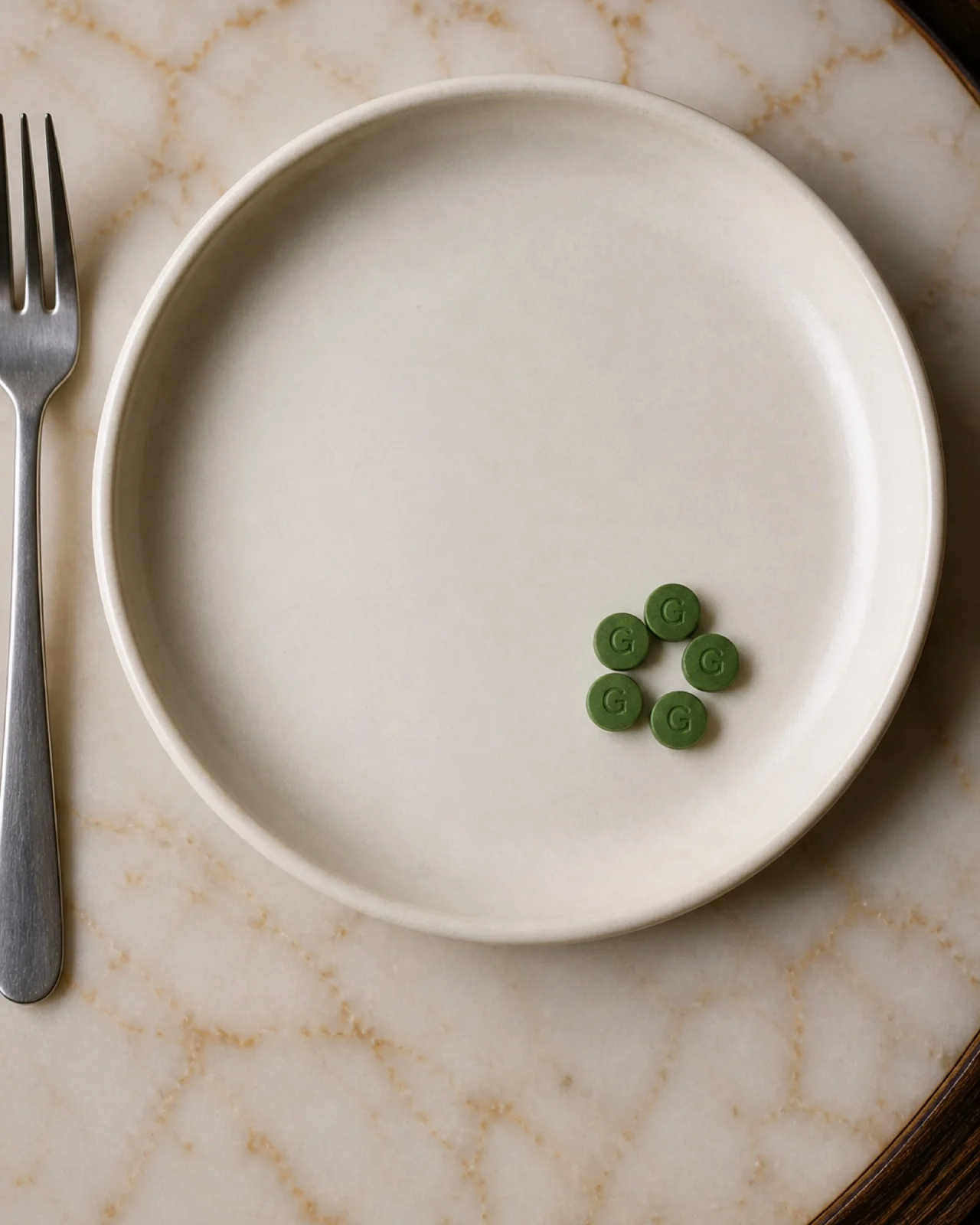
Because healthspan is a valid and useful idea, a large industry has grown up around the word longevity. Clinics, supplements, test kits, apps and retreats now use the word as they please. It helps to sort the claims into three groups.
The established group is the list in section 03, which has decades of evidence behind it and costs little or nothing.
The promising group is a set of legitimate research areas not yet proven in people at the level of a recommendation. These include the study of cellular ageing, various measures of "biological age", and some medicines that researchers are trialling for their effect on ageing itself. The consumer products that borrow its language tend to run well ahead of it.
The marketing group is anything that promises to add years, reverse ageing, or reset a biological clock, above all when the company that sells it also measures the result. A product that claims to lengthen healthspan should be able to point to a trial in people showing fewer years of illness, and almost none can.
A quick test helps. If a claim would still be true after removing the product, it is describing the habits, and the habits were free. The reasonable response to a label that borrows research language is to ask what the study measured, and in whom.
Planning for health and function
Plan for health and function as well as years of life. Individual habits matter, and so do access to care, housing, finances, relationships and the support available when health changes.
The evidence is consistent and unexciting. Not smoking, moving most days, keeping blood pressure, blood sugar and weight in range, sleeping enough and staying connected to other people account for most of what you can control. None of these needs a subscription.
If you are due for cardiovascular risk screening, check Healthier SG Screening eligibility with your clinic. Keep prescribed treatment and follow-up in place. A product marketed for longevity should not replace evidence-based care.
A practical next step
Keep recommended screening and treatment up to date, stay active within your abilities and maintain contact with people who matter to you. Support, rehabilitation and accessible surroundings can be as important as individual habits.
Sources and further reading
These references explain the guidance and research discussed above. For advice about your own health, speak to a qualified healthcare professional.
Read next
DNA diet tests and biological-age tests: what they can and cannot tell you
What a cheek swab reads
Zone 2 training and VO2 max, explained without the jargon
A plain guide to the two fitness terms everyone is suddenly talking about