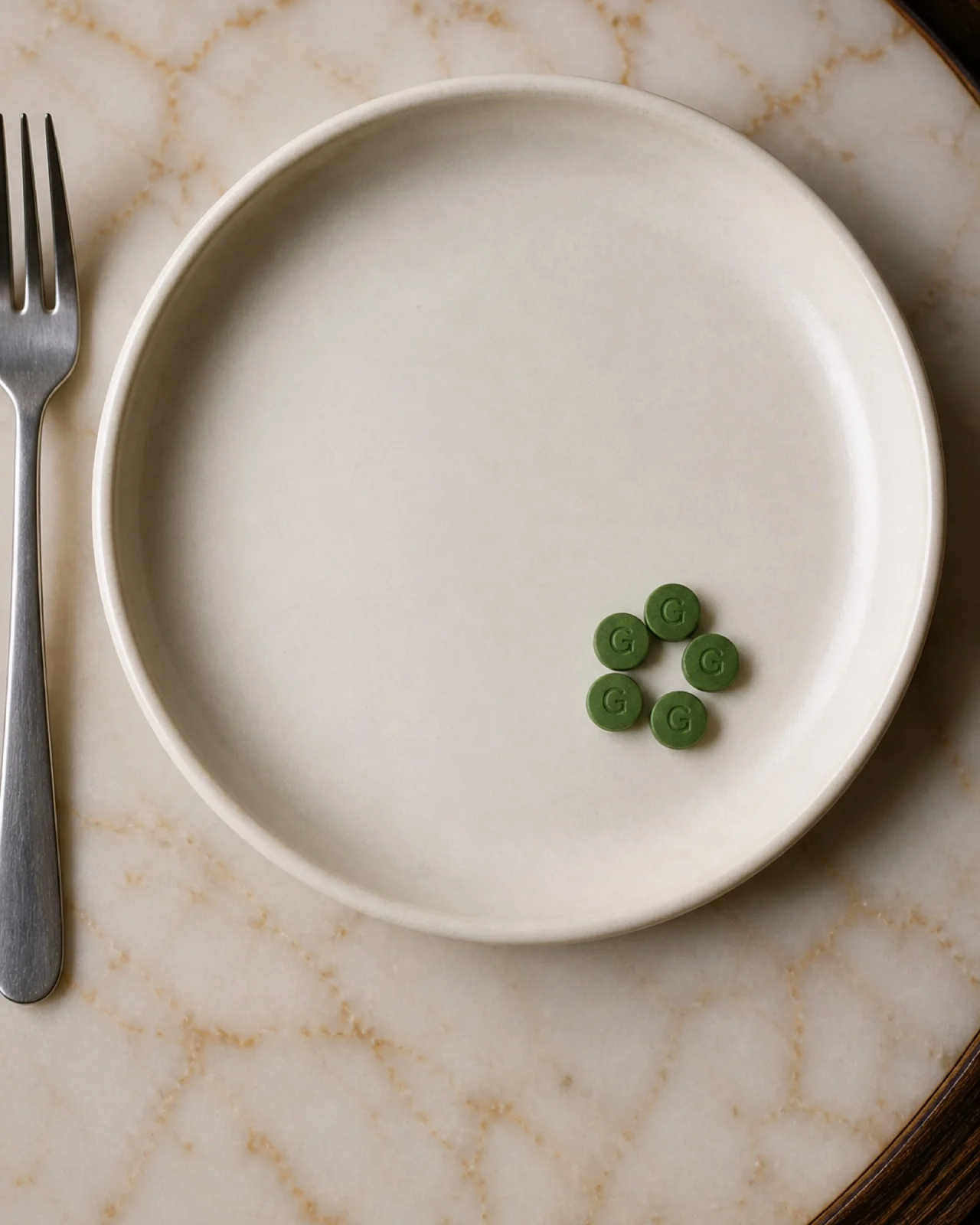
Getting enough plant protein on training days
If you train regularly and eat little or no meat, include a substantial protein food at each meal. Soy foods, beans and lentils are practical options. The amount you need depends on your body, your training and what else you eat.
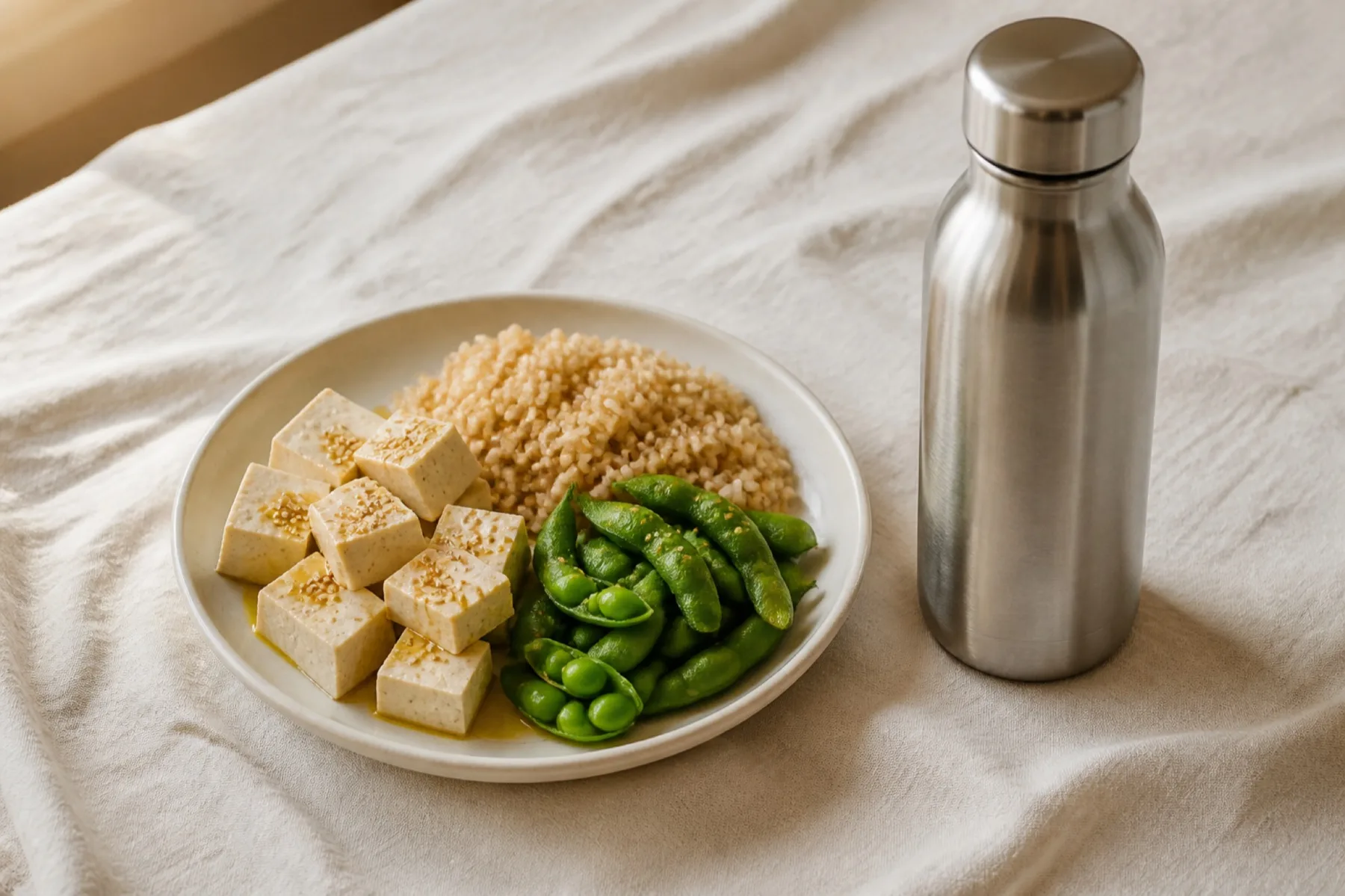
Where can plant protein fit through the day?
A plant-based training day needs regular meals where the protein food is visible, rather than left to chance.
- Breakfast: wholegrain toast with nut butter, or oats with a small handful of nuts.
- Lunch: brown rice with tofu or tempeh, plus the usual vegetables on a cai png plate.
- Afternoon: a bowl of edamame or a small handful of nuts can sit between lunch and dinner.
- Dinner: dhal with wholegrains, or tofu and vegetables with rice.
Treat these as examples. Portions and meal timing vary. Someone training before work may eat differently from someone heading to the gym after dinner. The useful check is whether a recognisable protein food appears at more than one meal. A token cube of tofu among several dishes is different from making tofu or tempeh a clear part of the plate.
What does “complete protein” mean?
Protein is made from amino acids. A “complete protein” contains all nine essential amino acids. Soy foods such as tofu, tempeh and edamame are familiar plant examples.
Other plant foods bring different amino-acid profiles. You do not need to combine them all in the same bowl. Eating a varied selection across the day is the ordinary approach: dhal with rice, nut butter on wholegrain toast, or tofu with noodles later on.
Variety across the day matters more than matching amino acids at one lunch. For a closer explanation of the term, see Algae as a complete protein. That page covers why the label can describe a food’s amino-acid pattern without telling anyone how much to eat.
How do you judge a portion?
Kitchen scales are useful for people following a dietitian’s plan. For everyday meal planning, familiar objects can make a first check easier.
- A piece of tofu about the size of a deck of cards is easy to see on the plate.
- A serving of tempeh can take up about the same space.
- A cupped hand shows a portion of edamame or nuts, though a nut portion tends to be smaller.
- A rice bowl gives a practical frame for dhal alongside the rest of dinner.
These comparisons are rough on purpose, to help you see the meal rather than calculate a personal target. Appetite, body size and training schedule differ. Anyone who needs a precise daily amount can ask a dietitian to work from the full day’s food, including snacks and drinks.
How much can a Vplus sachet contribute?
One Vplus sachet contains twenty 200 mg tablets, weighing 4 g altogether. Four grams is the total tablet weight. For the protein figure, use the finished nutrition panel.
For training-day protein, plan substantial foods such as tofu, tempeh, edamame, beans and lentils across meals. A small algae-tablet serving should not replace them.
Product details: Vplus Formula: ingredients, pack details and directions.
Further reading: HealthHub guidance.
Read next
What is actually in the sports supplement aisle
Five categories
Training in Singapore heat: what to drink
Start with water, then let the length and conditions guide the rest