How to read a collagen supplement label
Collagen supplements come in powders, drinks and sachets. To compare them, look at the animal source, the amount of collagen in each serving and the directions. Words such as “hydrolysed” describe the ingredient’s form; they do not prove a result.

Where does the collagen come from?
Collagen is a protein. On a supplement label, its source should be one of the first details to check. Many products in the category use material described as marine or bovine. That distinction matters to anyone eating plant-based or choosing food according to halal requirements.
Read the ingredient line before relying on pictures or a product name:
- Marine collagen. Check the panel for the marine source the maker names.
- Bovine collagen. This identifies cattle as the source material.
- A full ingredient list. Flavourings, sweeteners and other ingredients may appear after the main protein.
- Halal certification. Look for the certification on the actual pack rather than assuming from the source wording.
A marine or bovine source means the product is not plant-based. If the source is unclear, contact the maker and ask for the label information in writing.
What do “hydrolysed” and “peptides” mean?
Two terms appear often in this category: “hydrolysed” and “peptide”. They can sound like product grades, but the label is describing how the maker prepared the protein.
- Hydrolysed collagen means the maker has broken the protein into smaller pieces during processing.
- Collagen peptides is the wording makers use for those smaller protein pieces.
- Powder, liquid or sachet describes the delivery format. The amount in a serving is a separate figure.
- Grams per serving states how much the maker places in the serving defined on that panel.
Neither “hydrolysed” nor “peptide” tells you the animal source. Look for that information elsewhere in the ingredient list. These terms do not prove a health result.
Keep the unit in view. A large number in milligrams can look different from the same amount written in grams. Compare the stated amounts only after putting them into the same unit.
How do you compare daily cost?
Packets, bottles and tubs can each define a serving in a different way. One sachet may equal one serving. A tub may use one or more scoops. Start with the directions, then match them to the nutrition or ingredient panel.
Write down four details:
- the net amount in the pack;
- the maker’s serving size;
- the number of servings in the pack;
- the retail price you will pay.
Divide the retail price by the number of servings to find the cost per serving. If the directions state more than one serving each day, multiply by that number for the daily cost. This gives a clearer comparison than pack price alone.
Compare like with like. Check that both products use the same unit, and that you have not compared one scoop with another product’s full daily direction. Calculate subscription discounts and bundle prices from the price available today.
Does Indigo sell collagen?
Indigo Lifestyle does not sell a collagen supplement. Check the current range if you are looking for a particular product.
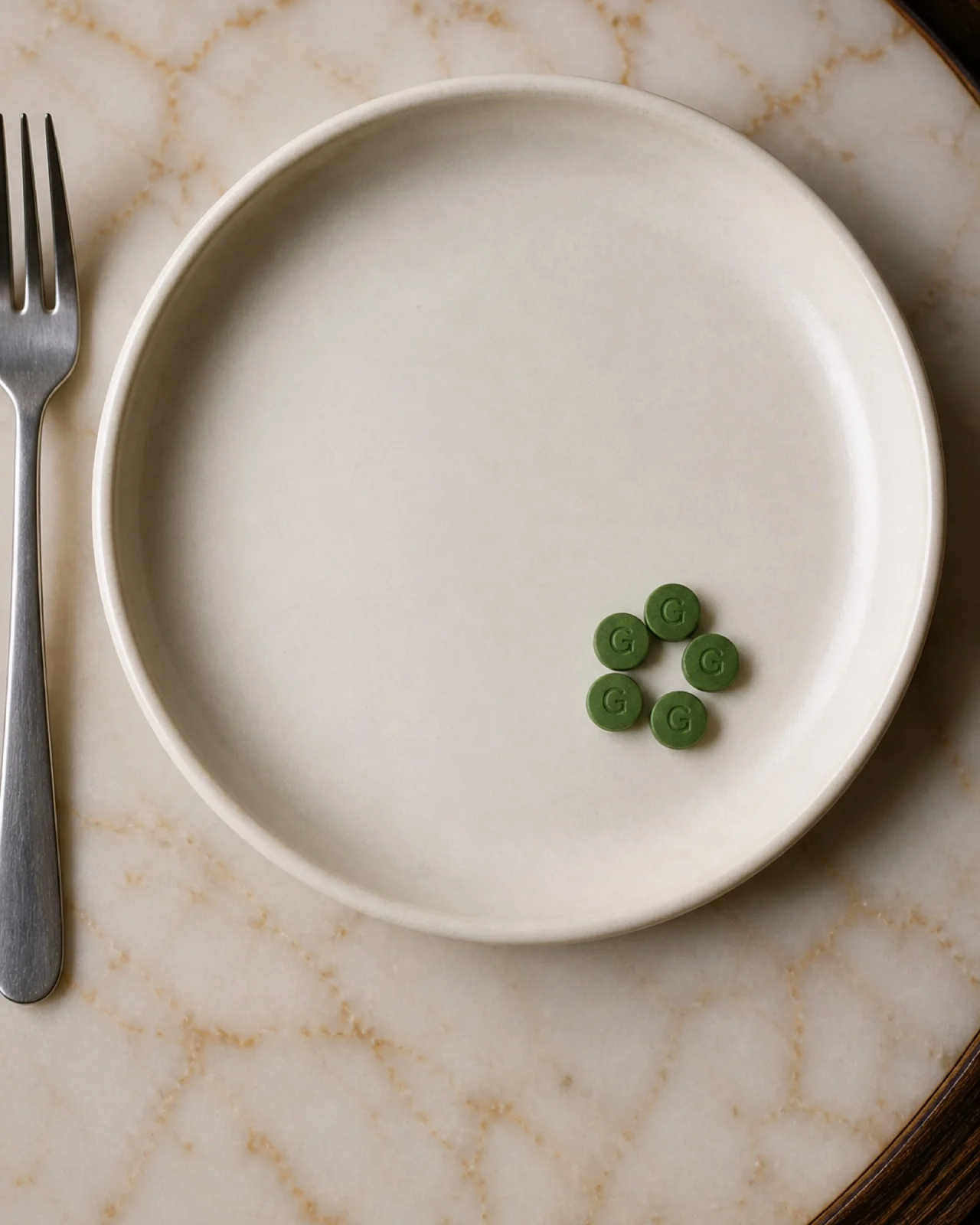
Vplus® Formula has a different label and format. It contains algae ingredients supplied as small tablets. Vplus is not a collagen product, and we do not offer it as an alternative to one.
Stay with what the carton declares when comparing any collagen label: source, ingredients, serving amount, directions, certification and cost per day. For a decision based on personal circumstances, show the complete panel to your doctor, pharmacist or dietitian.
Product details: Vplus Formula: ingredients, pack details and directions.
Read next
Beauty supplement claims, and what the words mean
Read the wording, then look for the ordinary facts behind it
What whole food does, and does not do, for the outside
We are not going to tell you it does