
Health screening in Singapore: what to check and when
Screening looks for certain conditions before symptoms appear. Singapore’s Healthier SG Screening programme, previously called Screen for Life, offers recommended tests according to age, sex and risk. Your clinic can check which tests are due, whether you qualify for subsidies and whether you need to fast. If you have symptoms, get them assessed now instead of waiting for routine screening.
What is screening for?
Screening means testing a person who has no symptoms, in order to find a condition early. It is different from a diagnostic test, which a doctor orders because something is already wrong.
The national programme picked its conditions for a reason. High blood pressure, high cholesterol and diabetes all do slow damage to blood vessels without causing symptoms, and the damage to the heart, kidneys, eyes and nerves is far easier to prevent than to reverse. Cervical, breast and colorectal cancers all have a stage where they are highly treatable, before you feel anything. Each of these has a test accurate enough to be worth doing across the whole population.
Screening does not cover everything. For many conditions there is no useful population test, and testing people without symptoms for them does more harm than good, through false alarms and unnecessary follow-up. So the programme keeps its list short and specific.
Recommended screening by age
Healthier SG Screening, formerly Screen for Life, is the national screening programme. Eligibility depends on age, sex, risk factors, past results and time since the last test. Subsidies differ for citizens and permanent residents, so confirm your entitlement with the clinic.
- Cervical screening from age 25. For women who have ever had sexual activity, the usual test is a Pap test every three years at ages 25 to 29, then an HPV test every five years from age 30. Previous abnormalities, surgery or other medical history can change the schedule.
- Cardiovascular risk screening from age 40. This includes blood pressure, blood glucose and lipids, and the programme’s usual interval for eligible people is three years. Your doctor may check blood pressure more often in routine care. Younger adults at higher diabetes risk may qualify after the Diabetes Risk Assessment.
- Screening from age 50. Most colorectal screening uses an annual faecal immunochemical test (FIT). For women, the standard offer is a mammogram every two years. At ages 40 to 49, discuss the benefits and limitations of mammography with a doctor before deciding.
Eligible Singapore citizens enrolled in Healthier SG can receive recommended screening fully subsidised at their enrolled clinic. Other programme arrangements and mammogram subsidies have specific criteria. Permanent residents should ask the clinic about applicable charges; do not assume the citizen subsidy applies.
If you have a family history of these conditions, or already have one of them, expect earlier or more frequent screening as a rule. That schedule comes from your doctor rather than from the programme.
Where to book and what to expect
For programme subsidies, book with a participating CHAS GP clinic or contact your enrolled Healthier SG clinic. HealthHub explains eligibility and booking. Polyclinics also provide relevant services, including mammography at selected sites, but subsidy and booking arrangements differ by test and location.
The visit itself is brief. A nurse measures height, weight, waist and blood pressure. You give a blood sample for glucose and lipids. For colorectal screening, the clinic gives you a stool test kit to take home and return. For a mammogram, the clinic refers you to a polyclinic or screening centre with the equipment. A doctor or a trained nurse does the cervical screening in the clinic.
Ask when and how you will get each result: turnaround varies by test and clinic. Arrange a review when the clinic advises one and contact them if an expected result has not arrived. Do not assume that no message means every result was normal.
How to prepare for your tests
Fasting. Follow your clinic’s instructions for the tests your doctor has ordered. Some glucose and lipid testing requires at least eight to ten hours with plain water only; HbA1c and some lipid tests do not require fasting. Ask in advance if you use insulin or other medicines affected by missed meals.
- Medication. If you take regular medication, keep taking it unless the clinic says otherwise, and bring the list. The doctor needs to know what you take in order to read the results.
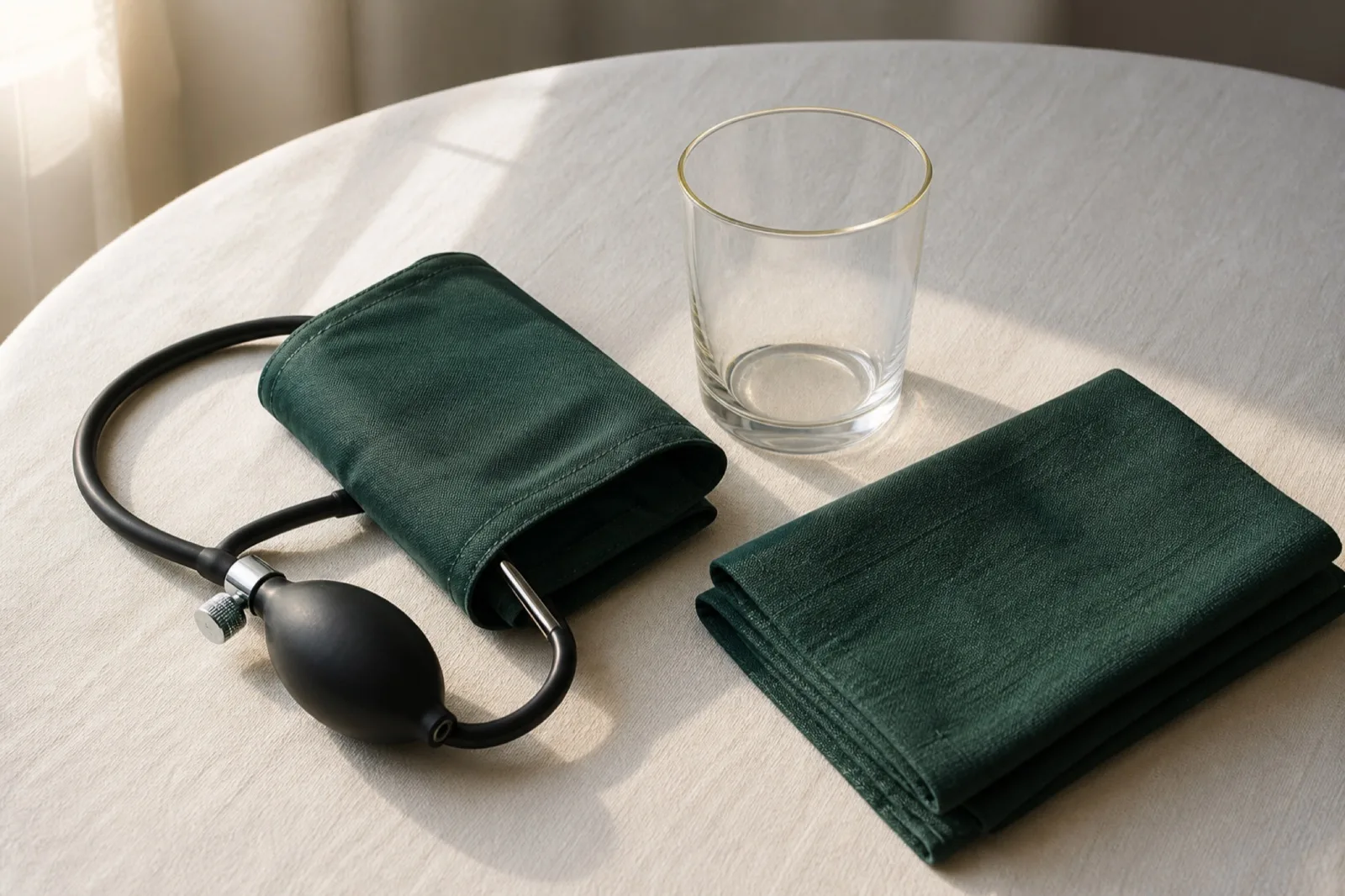
- Blood pressure. Avoid caffeine, smoking and exercise for 30 minutes before measurement. Empty your bladder, then sit still for five minutes with your back supported and feet flat. Rest your arm at heart level and do not talk during the reading.
- The stool kit. Follow the instructions in the box and return it without delay. The sample deteriorates if it sits for days.
- Cervical screening. Book for a time away from the period, and avoid intercourse and vaginal products for two days beforehand.
- Mammogram. Skip deodorant, powder and cream on the chest and underarms that morning, because they can show up on the image.
Wear something with sleeves you can roll up, and bring your NRIC and any previous results.
Understanding a result that needs follow-up
Many screening results fall between normal and abnormal. This is common, and it is what the follow-up visit is for.
- Blood pressure. Clinic readings of at least 140/90 mmHg may indicate hypertension once a doctor confirms them. Home averages use a lower threshold of 135/85. Lower but raised readings can still need follow-up based on your overall risk. Ask the clinician which threshold applies to your measurement.
- Blood sugar. Raised results may need a repeat or another test. In Singapore screening guidance, an HbA1c of 6.1% to 6.9% can lead to a fasting glucose or oral glucose tolerance test rather than being used alone to label pre-diabetes or diabetes. Ask the clinic what your result means in the testing pathway they use.
- Cholesterol. There is no single cut-off. The doctor reads the LDL and HDL against your overall risk, taking age, blood pressure, smoking and family history into account. The same LDL number can be acceptable for one person and worth treating in another.
- Cancer screening. A positive stool test, or an unclear mammogram or cervical result, means a further test such as a colonoscopy or a repeat scan. Most people the clinic calls back do not have cancer. The call-back is part of the process, and you need to attend it.
Arrange the recommended repeat test or review and note the date. At follow-up, your doctor checks whether the finding persists and decides what action is appropriate.
Keeping your screening up to date
Use age-based recommendations as a starting point and let your clinician adjust them for your history and risk. Screening is useful when you are well; a new lump, bleeding, persistent symptoms or other concerns need an assessment even if your next screening is not due.
Confirm your booking, preparation instructions and follow-up arrangements with the clinic. Bring your medicine list and previous results. Do not change treatment on your own in response to a screening number.
A practical next step
Check your screening eligibility on HealthHub or with a participating CHAS GP clinic. Follow that clinic’s preparation instructions and arrange any recommended follow-up, even if you feel well.
Sources and further reading
These references explain the guidance and research discussed above. For advice about your own health, speak to a qualified healthcare professional.
Read next
Vitamin D in a sunny country: why so many Singaporeans still run low
The sun is there every day, and most of us are not standing in it
Blood pressure: what the two numbers mean
Two numbers