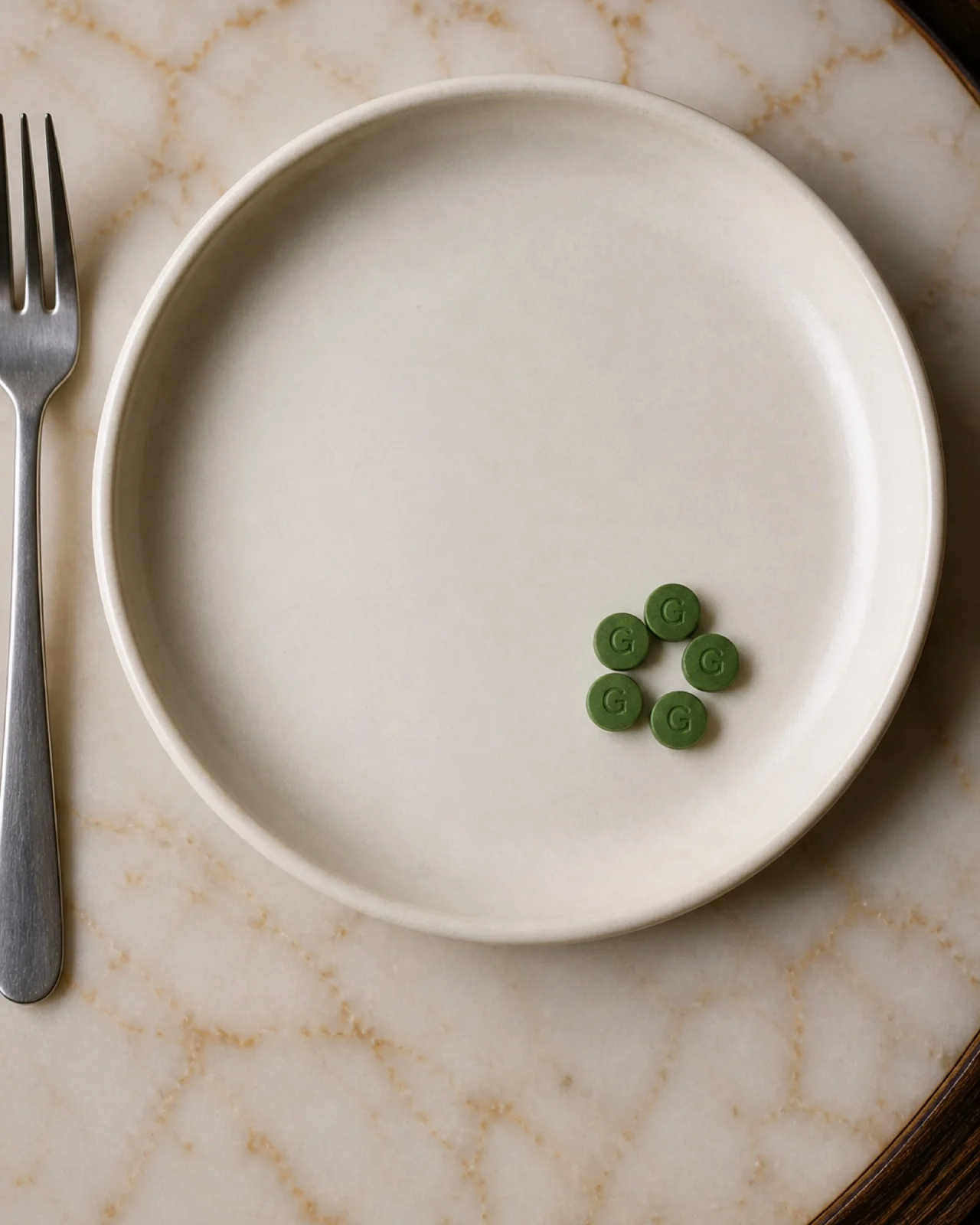
Where can you get iron without meat?
Cutting down on meat does not mean giving up foods that contain iron. Tofu, beans, lentils, wholegrains and green vegetables can all contribute. They fit into familiar meals, and adding a vitamin C food can help.
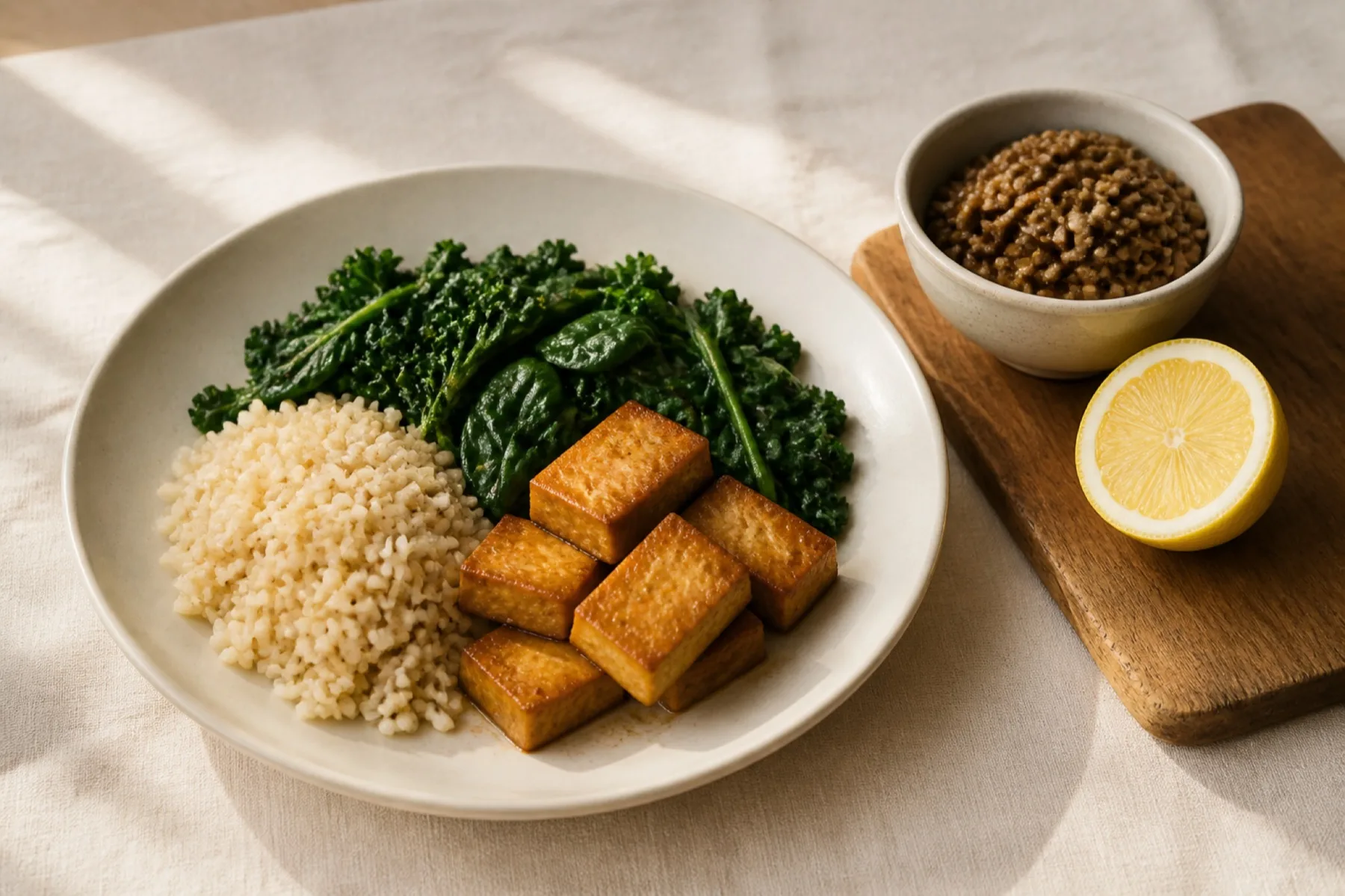
Which foods contain iron?
A meat-free plate does not need specialist ingredients. Iron occurs in several foods found at neighbourhood supermarkets, wet markets and ordinary food stalls. Variety matters because one meal does not have to carry the whole week.
- Dark leafy greens: choices such as spinach and other green vegetables fit beside rice or noodles.
- Tofu and tempeh: both work as the protein portion of a home meal or cai png plate.
- Beans and lentils: use them in dhal, soups, stews or a bean dish on its own.
- Wholemeal bread: an everyday option at breakfast or for a quick sandwich.
HPB’s vegetarian guidance includes plant foods such as legumes, whole grains and dark green leafy vegetables among dietary sources of iron. The useful first step is to look across the whole day, rather than judge one plate in isolation.
How is plant iron absorbed?
Meat contains haem iron. Plant foods contain non-haem iron. The body takes up less of the plant form than of the form found in meat.
Vitamin C helps the body absorb non-haem iron. Include a vitamin C food at the same meal as plant iron sources. That can be fruit after lunch, tomato with a bean dish, or a squeeze of lemon over lentils.
Tea and coffee are often part of the Singapore day. If you have individual instructions about when to drink them around meals, keep to that advice. A website cannot tailor timing to a person’s medical history or current medicines.
What could a meat-free meal look like?
HPB’s My Healthy Plate is a useful way to organise lunch or dinner: fruit and vegetables fill half the plate, with wholegrains and a protein food sharing the rest. For a meat-free meal, tofu, tempeh, beans or lentils can take the protein place.
At cai png, that might mean brown rice, tofu and two vegetable dishes, with fruit later. At home, lentil dhal can sit beside wholemeal chapati and a tomato-based vegetable dish. A tempeh stir-fry with leafy greens also keeps the ingredients recognisable.
Rotate whichever foods suit your household, budget and culture. The practical aim is a varied pattern across breakfast, lunch and dinner, using foods you will buy and eat.
When should you ask about iron?
You may be changing what you eat, or you may have specific instructions from a doctor. Those are two different situations.
If a doctor has asked you to watch your iron, their advice comes first. Bring a list of usual meals, any supplements and current medicines to the appointment. Ask what food pattern and follow-up are appropriate. Do not use a product page to change a medical plan.
If you have no such instructions, meat-free sources of iron are available in everyday food. Choose several across the week, use the vitamin C pairing as a dietary practice, and keep meals practical enough to repeat.
Product details: Vplus Formula: ingredients, pack details and directions.
Further reading: NIH guide to Iron.
Read next
What a women's formula label actually says
Four questions turn a busy shelf into a readable label
Vplus during pregnancy: the answer we give
The complete answer is a referral, plus the carton for context