Getting enough protein after 60
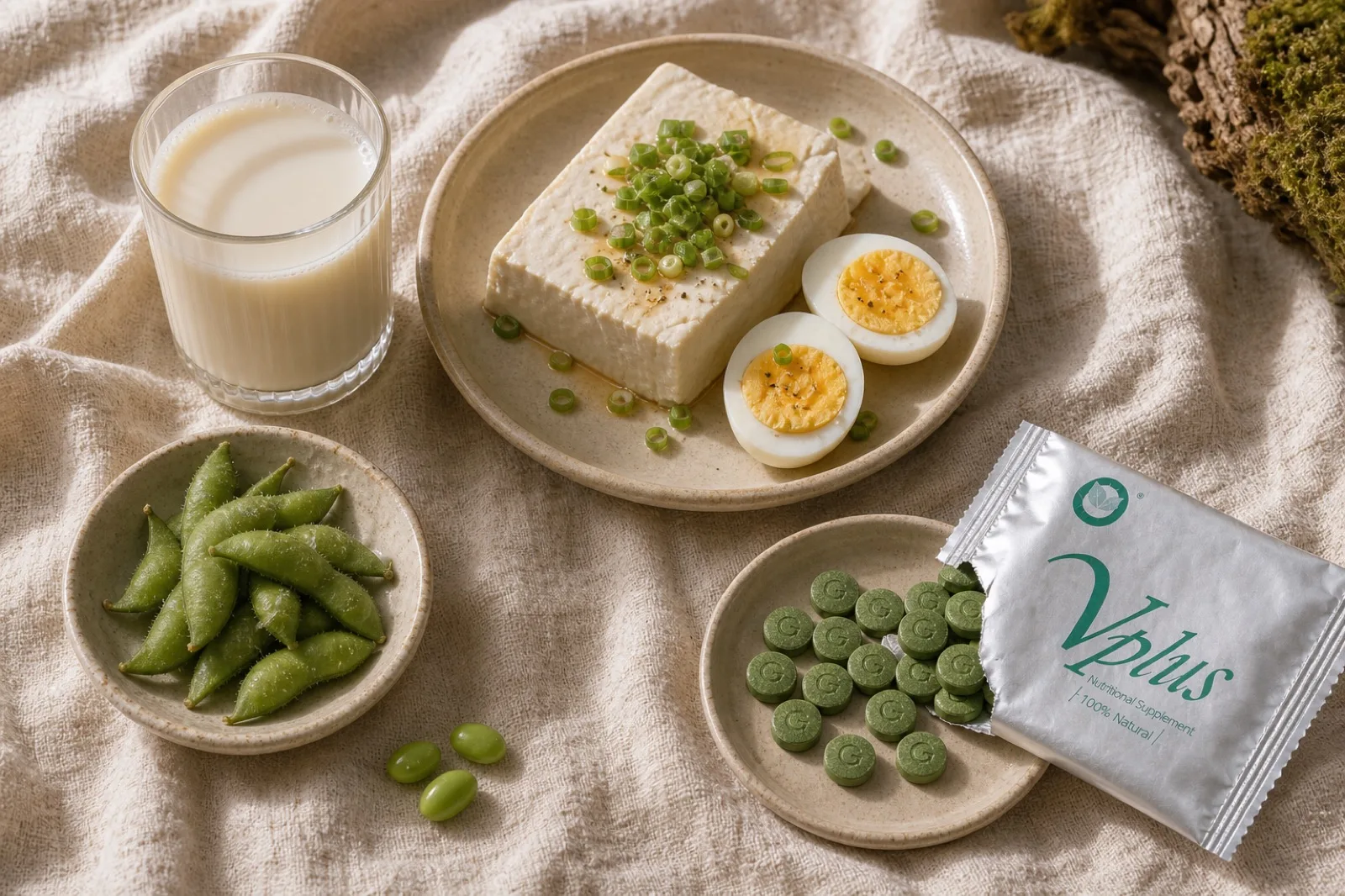
A smaller appetite can make it harder to eat enough protein as you get older. Familiar foods such as eggs, fish, tofu, beans and soy milk can help across the day. Vplus tablets are a small food-supplement serving and should not replace those foods.
Why does protein still matter?
Eating less does not mean your need for protein falls in the same way. Singapore guidance encourages older adults to include protein-rich foods across meals to help maintain muscle. Appetite, chewing difficulties or a limited food choice can make this harder.
If weight is falling without trying, meals have become difficult, or a medical condition affects your diet, ask a doctor or dietitian for an individual plan.
What could a day of meals include?
At breakfast, add an egg or tofu to porridge, or have a fortified soy drink with your usual food. At lunch, include fish, chicken, tofu or tempeh with rice and vegetables. At dinner, try beans, lentils or steamed egg.
These are meal ideas, not fixed portions. Spread protein foods through the day and adjust the amounts to appetite and professional advice. Soft foods such as steamed egg or tofu may be easier to manage for someone who struggles with tougher textures.
How much protein does Vplus provide?
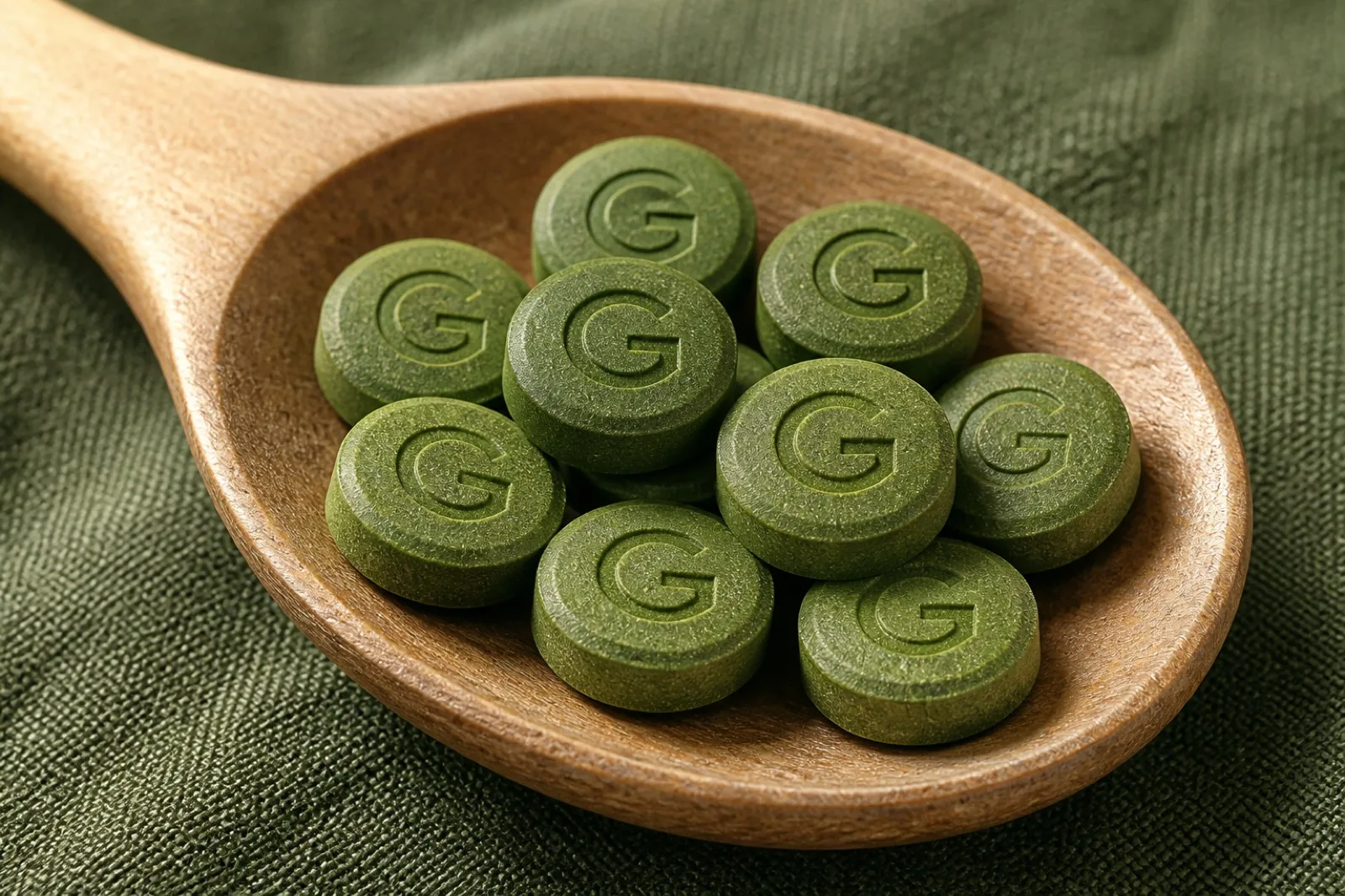
A Vplus sachet contains twenty 200 mg tablets, giving a total tablet weight of 4 g. That is not 4 g of protein. For an exact protein amount, read the finished product’s nutrition information rather than working it out from a typical algae percentage.
Keep protein foods in your meals. Vplus is a food supplement, not a meal replacement or a substitute for a protein product recommended by a healthcare professional.
Product details: Vplus Formula: ingredients, pack details and directions.
Further reading: HealthHub guidance.
Read next
Vitamin K on a label, and the blood-thinner conversation
Green vegetables, chlorella and one clear question for the clinic
Calcium without dairy
Six familiar sources, with one label detail worth remembering