
How much sleep do adults need?
Most adults need seven to nine hours of sleep a night; older adults often need seven to eight. Regular daytime sleepiness can mean you are not getting enough restorative sleep. Light, caffeine, work hours and bedtime habits can all affect your night, and persistent difficulties may need assessment.
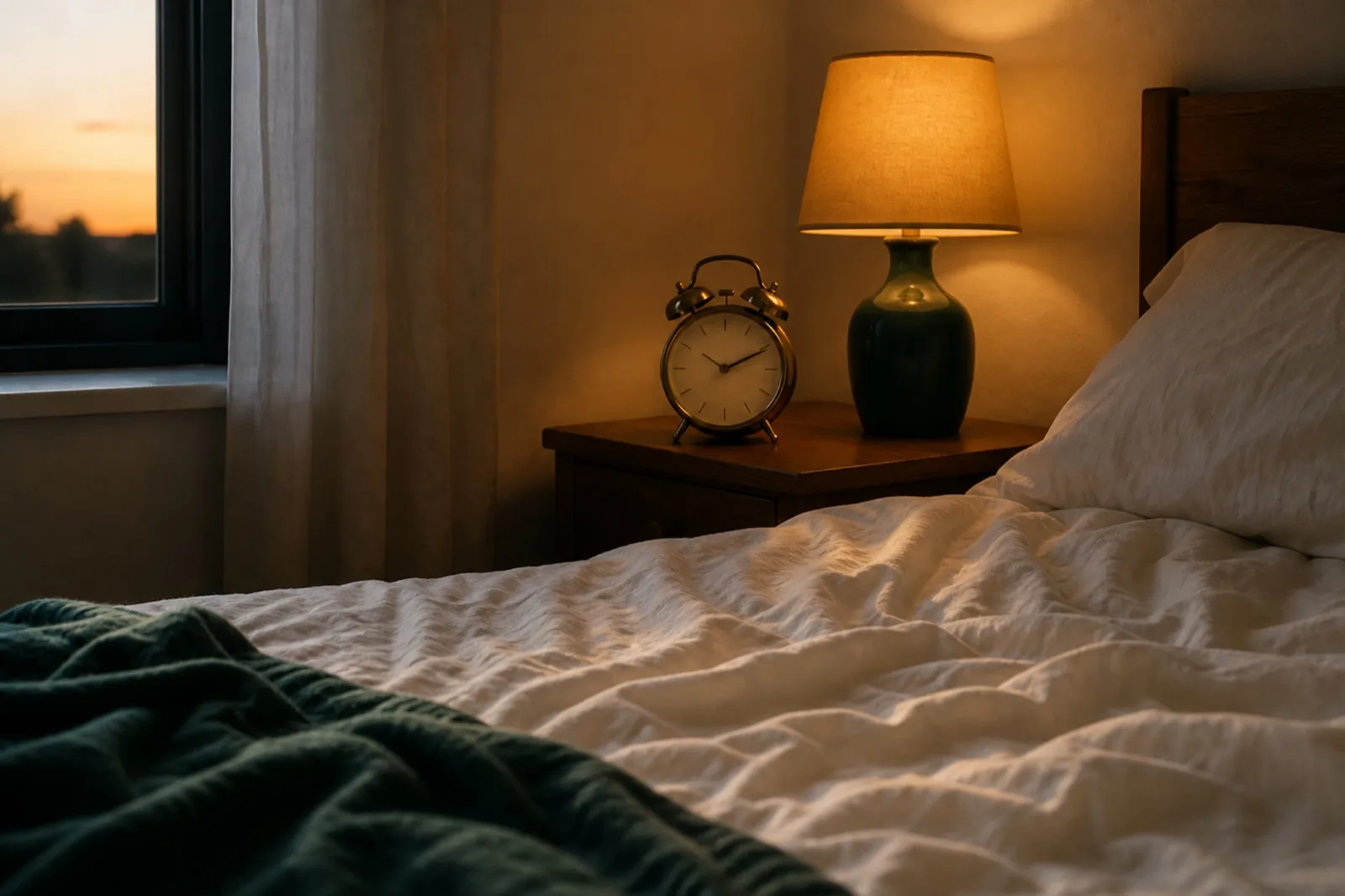
The recommended sleep range
HPB and sleep organisations worldwide use the same guidance: adults aged 18 to 64 need seven to nine hours of sleep a night. Adults aged 65 and above need a little less, about seven to eight hours. Those ranges describe most people, and a small number of adults sit outside them.
Sleep need stays about the same within one person. Regular daytime sleepiness, difficulty concentrating and sleeping much longer whenever you get the chance can suggest insufficient sleep. Needing an alarm or feeling an afternoon dip alone is not enough to diagnose a sleep problem. Consider how you feel and function across the day.
Weekend catch-up helps, but it does not cancel the whole week. A late Sunday lie-in also disturbs the body clock, which makes Sunday night harder and Monday morning worse. A regular wake time, within about an hour across all seven days, does more for sleep quality than any single long night.
Large studies link short sleep over months with higher blood pressure, weight gain, poorer blood sugar control and lower mood. Those links are strong enough that sleep now counts as a health measure in its own right, alongside diet and activity.
What happens during a night of sleep?
Sleep moves through stages rather than staying in one state. Across the night the brain passes through cycles of about 90 minutes, each moving through light sleep, deep sleep and dreaming sleep, which scientists call REM sleep. Most deep sleep comes in the first half of the night, and it is the part researchers link most with physical recovery. The second half holds more dreaming sleep, which researchers link with memory and mood.
If you cut the night short by two hours, most of what you lose is dreaming sleep, because that is what the last cycles contain.
The body clock sets the timing of the cycles. It is a rhythm of about 24 hours that runs in the brain, and light, more than anything else, resets it each day. The clock controls when the body feels sleepy, when body temperature dips, and when the hormone melatonin rises in the evening. In Singapore, sunrise and sunset stay close to seven o'clock all year, so the clock receives a steady signal from daylight, and time spent indoors is what disturbs it.
How light and screens affect sleep
Bright light is the strongest signal the body clock receives. Morning light, outdoors if you can, sets the clock and makes the evening's sleepiness arrive on time. Light in the late evening does the opposite. It delays the rise of melatonin and pushes sleepiness later, so you lie in bed awake.
Phones, tablets and laptops matter here for two reasons. The first is the light itself, held close to the face. The second is the content, which keeps the mind active and rewards staying up. Night mode settings reduce the first problem and do nothing for the second.
A few evening habits help more than they seem.
- Get outdoor light in the morning, even ten minutes on the walk to the MRT, because that light anchors the whole clock.
- Dim the flat in the last hour. Lamps rather than ceiling lights, and a lower screen brightness, let melatonin rise.
- Leave the phone outside the bedroom, or at least across the room. A cheap alarm clock removes the main reason for keeping it by the pillow.
- Keep the bedroom cool and dark. In Singapore's humidity, that means a fan or air-conditioning set to a comfortable rather than cold level, and curtains that block the corridor light in an HDB flat.
Noise from the void deck, a neighbour's renovation or a main road is a problem in some estates. Earplugs, a fan for steady background sound, and a closed bedroom door are practical answers.
Caffeine, late meals and alcohol
Caffeine reduces the sensation of sleepiness and can stay in the body for hours. Its half-life is often around five hours but can be much longer or shorter depending on the person, medicines and other factors. Moving your last caffeinated drink earlier can help if it interferes with sleep.
A useful cut-off is early afternoon. Kopi, teh, energy drinks, cola and strong Chinese tea after about 2 pm are worth moving earlier or switching to a decaffeinated version. Teh tarik and Milo carry less caffeine than kopi, but they still contain some.
Meals and alcohol affect the night in different ways. A large late supper keeps digestion active and raises body temperature at the time it should be falling. Alcohol makes falling asleep faster and the second half of the night worse, with more waking and less dreaming sleep. Alcohol can disrupt sleep even if it makes you feel sleepy at first. Avoid using it as a sleep aid, and reduce or avoid drinking near bedtime if you have trouble sleeping.
Sleep around shift work and naps
Shift work can conflict with the body clock and make sufficient sleep harder. Plan protected sleep time, use a dark and quiet room, and discuss workable scheduling or break arrangements with your employer. Rotating shifts may need a different approach from permanent night work.
Naps are useful when they are short and early. A nap of 20 to 30 minutes before mid-afternoon restores alertness without entering deep sleep, so waking is easy. A nap of an hour or more, or one taken after 4 pm, eats into the night's sleep and is often the reason you cannot fall asleep at eleven.
For shift workers, a planned nap before a night shift, or a short one during a break where the employer allows it, has good research behind it and is worth asking for.
When sleep problems need medical advice
Protect enough time for sleep and try a consistent wake time, morning daylight and less evening stimulation. These habits can help, but you cannot count on them to resolve every sleep disorder. If sleep is affecting your daily life, arrange an assessment rather than waiting for a fixed number of months.
Chronic insomnia involves persistent difficulty sleeping despite an opportunity to sleep, with daytime effects; the threshold most clinicians use is at least three nights a week for three months. You can seek help sooner. Cognitive behavioural therapy for insomnia is an established treatment that a clinician can discuss.
Sleeping tablets have a place, but it is a short-term one, and it is a decision for a doctor. Do not start or stop a medication because of a page like this one.
A practical next step
Allow enough time for sleep and keep a regular wake time, within about an hour each day. Move caffeine earlier if it affects you. Seek help when poor sleep affects daily life, or if there is loud snoring, gasping or marked daytime sleepiness.
Sources and further reading
These references explain the guidance and research discussed above. For advice about your own health, speak to a qualified healthcare professional.
Read next
Ten thousand steps: where the number came from
The famous target began as a pedometer slogan
Strength training after 40: why muscle matters
Muscle is easier to keep than to rebuild