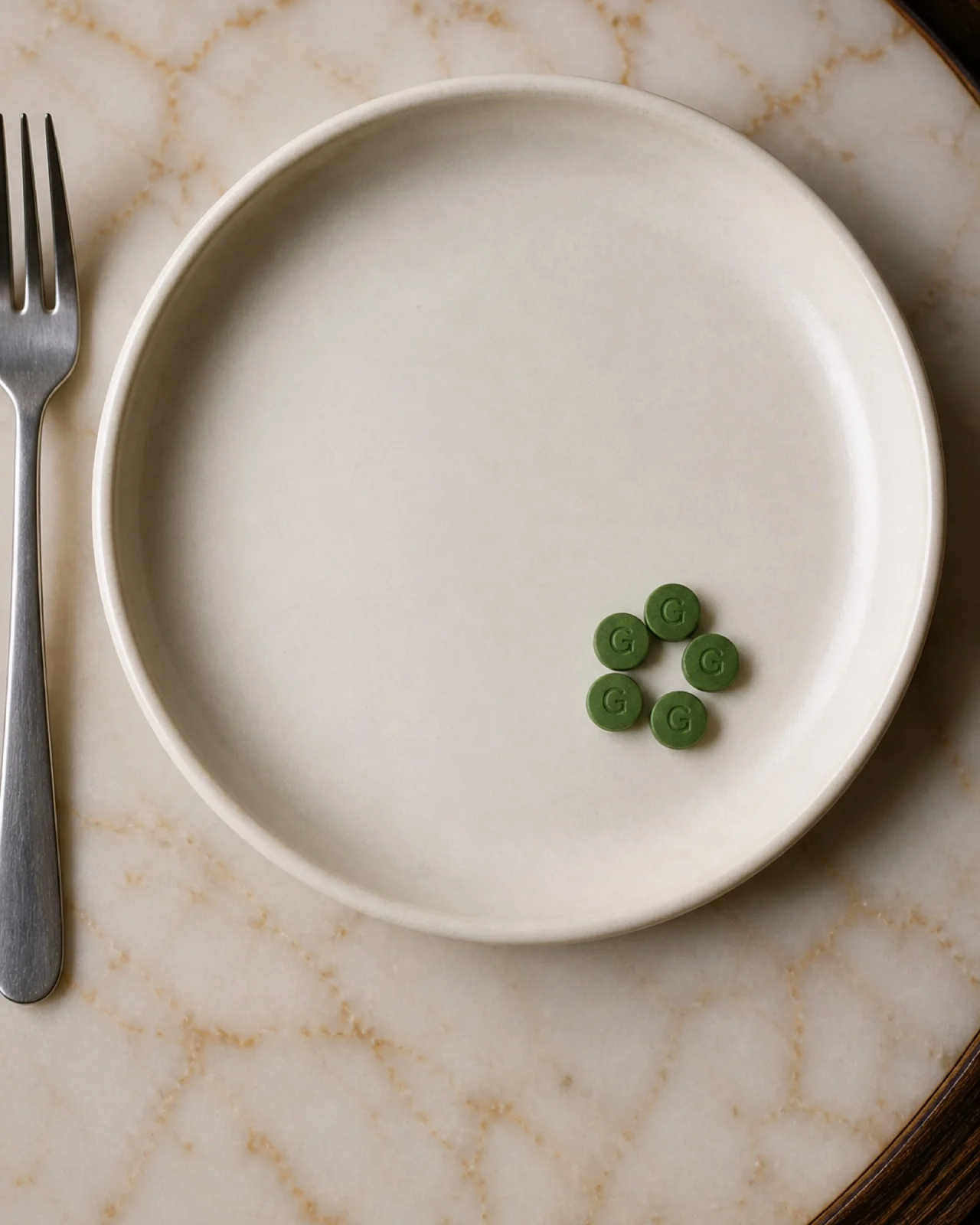
Is a vegetarian or vegan diet healthy?
A well-planned vegetarian or vegan diet can provide good nutrition and support heart health. The benefits depend on the foods you eat: beans, tofu, whole grains, vegetables, fruit and nuts contribute more than leaving meat off the plate. Some nutrients need a reliable source, and on a vegan diet that means vitamin B12 above all.
What does a vegetarian diet include?
A vegetarian diet leaves out meat, poultry and seafood. Most vegetarians still eat eggs and dairy. A vegan diet leaves out every animal product, including eggs, milk, honey and gelatine. A separate page covers the differences between the types, so this one treats them together.
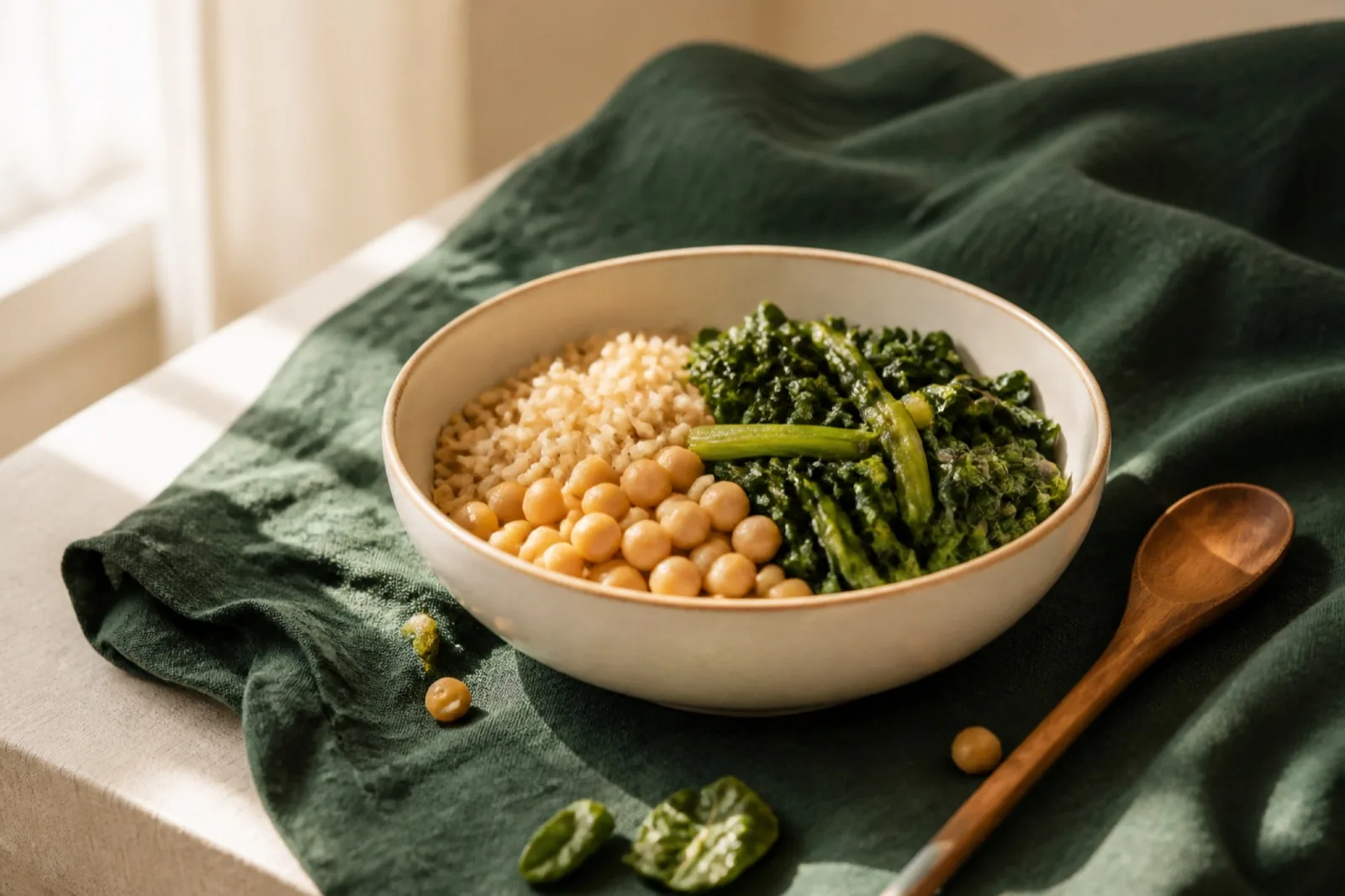
A balanced vegetarian meal includes vegetables, a protein source such as beans or tofu, and a suitable portion of whole grains. These foods supply fibre and a range of nutrients. Most are low in saturated fat, although coconut products and some prepared vegetarian dishes are exceptions. Nuts and seeds are nutritious but energy-dense, so portion size still matters.
The health effects depend on the replacement foods. Adding beans, whole grains and vegetables can improve a diet even when some meat or fish remains.
What are the potential health benefits?
Large population studies over several decades point in the same direction on a handful of outcomes. The findings are averages across groups, and they describe people whose vegetarian diet is balanced for the most part.
- More fibre. Legumes, vegetables, whole grains and fruit are the main sources of fibre in any diet. Vegetarians tend to reach HPB's daily target of about 20 g for women and 26 g for men with less effort than meat eaters do.
- Less saturated fat. Fatty meat, skin and processed meat are the main sources of saturated fat in a typical Singapore diet. Removing them tends to lower LDL cholesterol, which is the number with the strongest link to heart disease.
- Lower body weight on average. Vegetarians as a group tend to have a lower body mass index than non-vegetarians. Plant foods are bulkier for the same energy, so a full plate carries fewer calories.
- Lower rates of heart disease and type 2 diabetes. Most studies of vegetarian groups show lower blood pressure, lower cholesterol and lower rates of type 2 diabetes. The effect is modest, and it depends on the rest of the lifestyle.
- Cost and the environment. Beans, lentils and tofu can provide economical protein. Replacing some beef or lamb with plant proteins can also reduce the environmental impact of a diet, although prices and production methods vary.
These findings describe group averages and make no promise about any one person's outcome. Smoking, activity, sleep, healthcare and other circumstances also affect health. Observational studies cannot separate these influences from diet in full.
Which nutrients need attention?
Removing meat removes some nutrients that are easier to get from animal foods. You can plan for each of these gaps and keep a vegetarian diet.
- Vitamin B12. Eggs and dairy can contribute, but vegans need a dependable supply from fortified foods or a suitable B12 supplement. Check the label and seek advice on meeting your needs. Untreated deficiency can affect blood cells and nerves.
- Iron. Your body absorbs a smaller share of plant iron than of the iron in meat. Eating legumes, dark leafy greens and fortified cereals alongside a source of vitamin C helps. Tea and kopi taken with the meal reduce absorption.
- Omega-3 fats. The main source of the long-chain omega-3 fats is oily fish. Vegetarians can get the shorter plant form from flaxseed, chia and walnuts, but the body converts a small share of it.
- Calcium and vitamin D. Choose calcium-fortified plant drinks, calcium-set tofu or other calcium-rich foods if you avoid dairy. Check vitamin D on its own: fortified foods or a supplement may be useful depending on your needs.
- Protein. Few vegetarians who eat eggs and dairy have trouble getting enough protein. Vegans do well when legumes, tofu, tempeh or nuts appear at most meals rather than once a day.
The overall meal still matters. Fried bee hoon, mock meat in thick gravy, biscuits and sweet drinks can be vegetarian while providing a lot of salt, refined carbohydrate or fat. Make vegetables and a protein source part of your routine, and vary the foods you eat instead of leaning on fried items.
Eating vegetarian food in Singapore
Singapore has longstanding Chinese and Indian vegetarian food traditions, as well as newer vegan options. The variety makes meat-free eating practical, although the ingredients and nutritional balance vary between stalls and dishes.
Hawkers have sold Chinese Buddhist vegetarian food in Singapore for generations. Most hawker centres have at least one vegetarian stall serving cai png, bee hoon and mock meat dishes. On the first and fifteenth day of the lunar month, many non-vegetarians eat vegetarian for the day, and these stalls draw a queue.
Indian vegetarian meals offer useful combinations such as dhal or sambar with chapati, thosai or idli and vegetables. A plain thosai or a bowl of rasam alone may provide little protein, so consider the whole meal and the portions of lentils, beans or dairy served with it.
At a vegetarian cai png stall, try tofu, two vegetable dishes and a suitable rice portion; choose brown rice where available. At an Indian stall, include dhal or another substantial protein source. Ask for less gravy and choose water or an unsweetened drink. Keep fried foods as an occasional addition to the meal.
How to plan a balanced meat-free diet
A varied vegetarian diet can support good health. You can also benefit from more plant foods without excluding all animal foods. Plan your regular meals and nutrient sources, whatever label you give your diet.
Check that B12, iron, calcium and omega-3 each have a regular source. A dietitian can review your meals and help identify gaps. Blood testing is useful when symptoms, dietary history or other risk factors give a clinician a reason to order it. Eating vegetarian food is not by itself a reason for one.
Anyone with a medical condition, anyone pregnant or breastfeeding, and parents planning a vegetarian diet for a child should talk to their doctor before making the change. Do not stop a medication because your diet has improved.
A practical next step
Include a protein source at each meal and check your sources of B12, iron, calcium and omega-3. A dietitian can help if your food choices are restricted or your needs have changed.
Sources and further reading
These references explain the guidance and research discussed above. For advice about your own health, speak to a qualified healthcare professional.
Read next
Nutri-Grade, and the sugar in a drink
The A to D grade is a sugar label, and the ordering words change it
The different types of vegetarian diet, explained
From lacto-ovo to Jain