
Types of vegetarian diet explained
Vegetarian diets exclude meat, poultry and seafood, but differ over eggs and dairy. Pescatarians eat seafood, so in the strict sense they are not vegetarian; flexitarians eat meat now and then. Religious practices can add other requirements. Once you know the specific ingredients someone avoids, choosing food or ordering a shared meal gets easier.
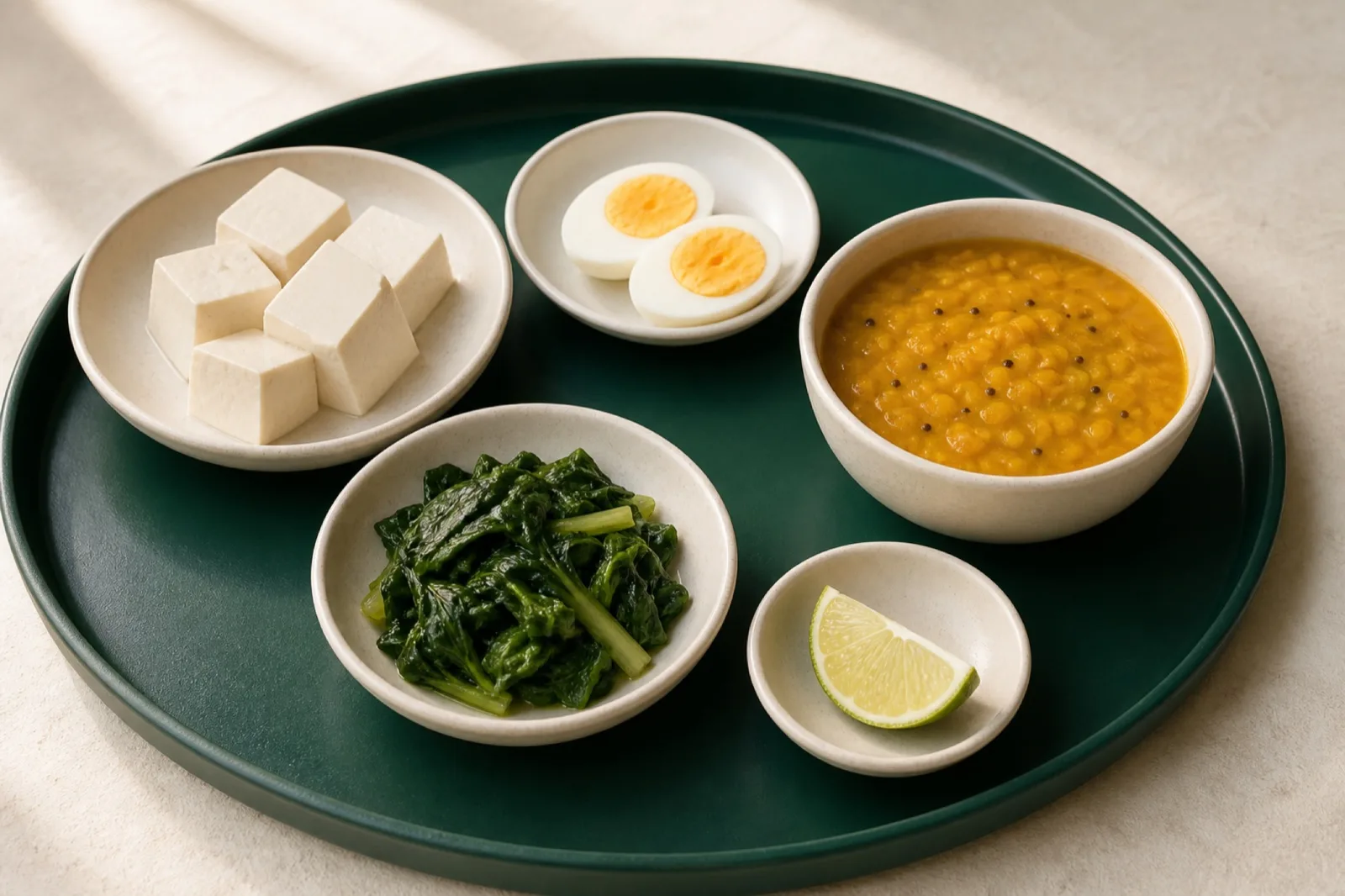
The common vegetarian and related diets
Nutrition guidance uses these categories, and the list below runs from the most inclusive to the most restrictive.
- Flexitarian. You eat vegetarian most of the time and have meat or fish now and then. There is no fixed rule, and many Singaporeans who eat vegetarian on weekdays and meat at weekend family dinners fit here without using the word.
- Pescatarian. You leave out meat and poultry but eat fish and seafood, and most pescatarians eat eggs and dairy as well. In the strict sense it is not a vegetarian diet, but guides often group it with vegetarian diets.
- Lacto-ovo vegetarian. This excludes meat, poultry and seafood and includes eggs and dairy. At a regular stall, check whether vegetable, egg or tofu dishes contain meat stock, dried shrimp, fish sauce or lard.
- Lacto-vegetarian. This excludes meat, poultry, seafood and eggs, while allowing dairy. Indian vegetarian dishes often suit this pattern, but check the ingredients before you order.
- Ovo-vegetarian. This excludes meat, poultry, seafood and dairy, while allowing eggs. Calcium and vitamin D need other reliable sources if dairy is absent.
- Vegan. You leave out all animal products. That means no meat, poultry, seafood, eggs, dairy, honey, gelatine or animal-derived additives. Many vegans also avoid leather and wool, but that is a lifestyle choice rather than a diet.
Lacto means milk, ovo means eggs, and pesce means fish.
What does plant-based mean?
Plant-based has no single meaning on food packaging or menus. It may describe a vegan product, or a meal that is plant-heavy but includes some animal ingredients. In dietary guidance it often means emphasising plant foods. Check the ingredients whenever a strict exclusion matters.
Vegan describes the exclusion of animal ingredients. Plant-based describes an emphasis on plant foods, with usage varying by context. Neither label alone tells you whether a meal provides enough protein, fibre or other nutrients.
Raw vegan is a stricter subset of vegan. Raw vegans do not heat food above about 40 to 48 degrees Celsius, so cooked rice, dhal, tofu and bread are all out. It relies on fruit, raw vegetables, sprouted grains and legumes, nuts and seeds. It is hard to sustain in Singapore, where most affordable vegetarian food is cooked, and it makes protein and vitamin B12 planning more difficult. Most dietitians would not recommend it for children or for pregnant women.
Vegetarian traditions in Singapore
Religious and cultural practices influence many vegetarian meals available in Singapore. These examples describe common patterns, but households and food providers differ.
- Chinese Buddhist vegetarian. Many traditions avoid meat, seafood, eggs and certain pungent vegetables, including garlic and onion. Dairy and the list of excluded plants vary with practice. Ask the person or food provider rather than assuming one rule applies to everyone.
- The 1st and 15th tradition. Many Chinese Singaporeans who eat meat go vegetarian on the first and fifteenth day of each lunar month, and some do so for the whole of the Nine Emperor Gods festival in the ninth lunar month. On those days the Buddhist vegetarian stalls are busy and some temples serve vegetarian meals.
- Hindu and Indian vegetarian. This is lacto-vegetarian in most households. Cooks use milk, yoghurt, ghee and paneer in many dishes and leave out eggs. Some households avoid onion and garlic as well, in particular on fasting days or in stricter communities. Thosai, idli, dhal, sambar, chapati and vegetable curries are the everyday dishes.
- Jain vegetarian. Many Jains avoid meat, seafood, eggs and root vegetables such as potato, onion and garlic. Households may include dairy, and practices differ from one to the next. For a shared meal, ask which ingredients and preparation methods are suitable.
A comparison of the diets
The list below gives a quick comparison, with what each type includes first and what it excludes second.
- Flexitarian. It includes everything, with meat and fish in small amounts, and excludes nothing by rule.
- Pescatarian. It includes fish, seafood, eggs and dairy, and excludes meat and poultry.
- Lacto-ovo vegetarian. This excludes meat, poultry and seafood and includes eggs and dairy. At a regular stall, check whether vegetable, egg or tofu dishes contain meat stock, dried shrimp, fish sauce or lard.
- Lacto-vegetarian. This excludes meat, poultry, seafood and eggs, while allowing dairy. Indian vegetarian dishes often suit this pattern, but check the ingredients before you order.
- Ovo-vegetarian. This excludes meat, poultry, seafood and dairy, while allowing eggs. Calcium and vitamin D need other reliable sources if dairy is absent.
- Vegan. It includes plant foods only, and excludes every animal product, including honey and gelatine.
- Chinese Buddhist vegetarian. Many traditions avoid meat, seafood, eggs and certain pungent vegetables, including garlic and onion. Dairy and the list of excluded plants vary with practice. Ask the person or food provider rather than assuming one rule applies to everyone.
- Jain vegetarian. Many Jains avoid meat, seafood, eggs and root vegetables such as potato, onion and garlic. Households may include dairy, and practices differ from one to the next. For a shared meal, ask which ingredients and preparation methods are suitable.
- Raw vegan. It includes uncooked plant foods, and excludes all animal products and anything cooked.
If you follow one of these diets, hidden animal ingredients can catch you out. Fish sauce, oyster sauce, belacan, ikan bilis in sambal, lard in some fried dishes, chicken stock in soups and gelatine in desserts are the common ones in local cooking. Asking the stallholder is the only reliable way to know.
What to ask when ordering food
Most of the confusion happens at the counter, so use these notes when you order at a hawker stall.
- Flexitarian and pescatarian. Any stall works. A pescatarian ordering fish soup should check that the stock is fish-based rather than pork or chicken.
- Lacto-ovo vegetarian. This excludes meat, poultry and seafood and includes eggs and dairy. At a regular stall, check whether vegetable, egg or tofu dishes contain meat stock, dried shrimp, fish sauce or lard.
- Lacto-vegetarian. This excludes meat, poultry, seafood and eggs, while allowing dairy. Indian vegetarian dishes often suit this pattern, but check the ingredients before you order.
- Vegan. Most Buddhist vegetarian stalls are close to vegan, but check for egg in the fried rice and milk in the desserts. Indian vegetarian stalls use ghee and yoghurt, so ask for the dishes cooked in oil. Thosai and idli are vegan at most stalls.
- Chinese Buddhist vegetarian. Many traditions avoid meat, seafood, eggs and certain pungent vegetables, including garlic and onion. Dairy and the list of excluded plants vary with practice. Ask the person or food provider rather than assuming one rule applies to everyone.
- Jain. Hawker centres are difficult, because almost every stall uses onion, garlic or potato. Indian restaurants that list Jain options are the practical choice, and you should telephone ahead.
Choosing a diet you can meet your needs on
Most people choose a vegetarian diet for religion, family, health or conscience, and none of those needs justifying. The health basics are the same across all of them. A well-planned version of any type gives plenty of vegetables, legumes, whole grains and fruit, with a clear source of protein at each meal.
The more foods a diet excludes, the more planning you may need. A vegan diet needs a reliable B12 source. Other needs depend on the rest of your diet, including whether you have dairy. Iron, calcium, protein and omega-3 deserve attention across meat-free diets.
A dietitian can help plan a vegetarian diet during pregnancy, breastfeeding, childhood or when medical needs restrict food choices. The most restrictive patterns, raw vegan diets in particular, can make adequate energy and nutrients difficult to obtain.
A practical next step
If you order for someone else, ask about eggs, dairy, seafood and any religious restrictions. Check stocks, sauces and cooking fats with the stallholder instead of relying on the dish name.
Sources and further reading
These references explain the guidance and research discussed above. For advice about your own health, speak to a qualified healthcare professional.
Read next
The advantages of a vegetarian or vegan diet
A balanced look at the benefits
The Mediterranean way of eating, in a Singapore kitchen
The pattern behind the name