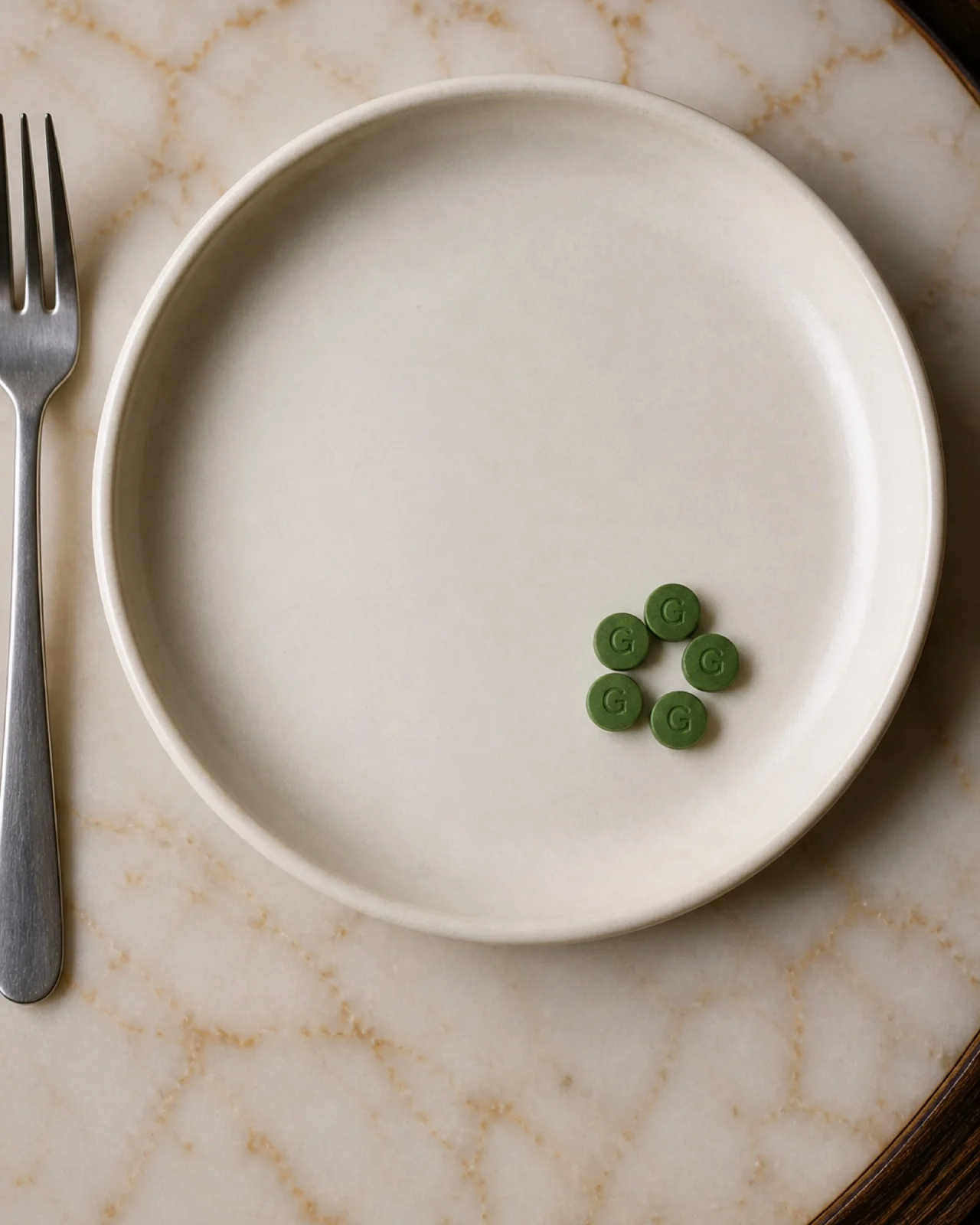
What is chlorophyll?
Chlorophyll helps plants and many algae capture light for photosynthesis. It is present in familiar foods such as spinach, broccoli and green beans. Its role in a plant is clear; that role does not establish a health benefit from a chlorophyll supplement.
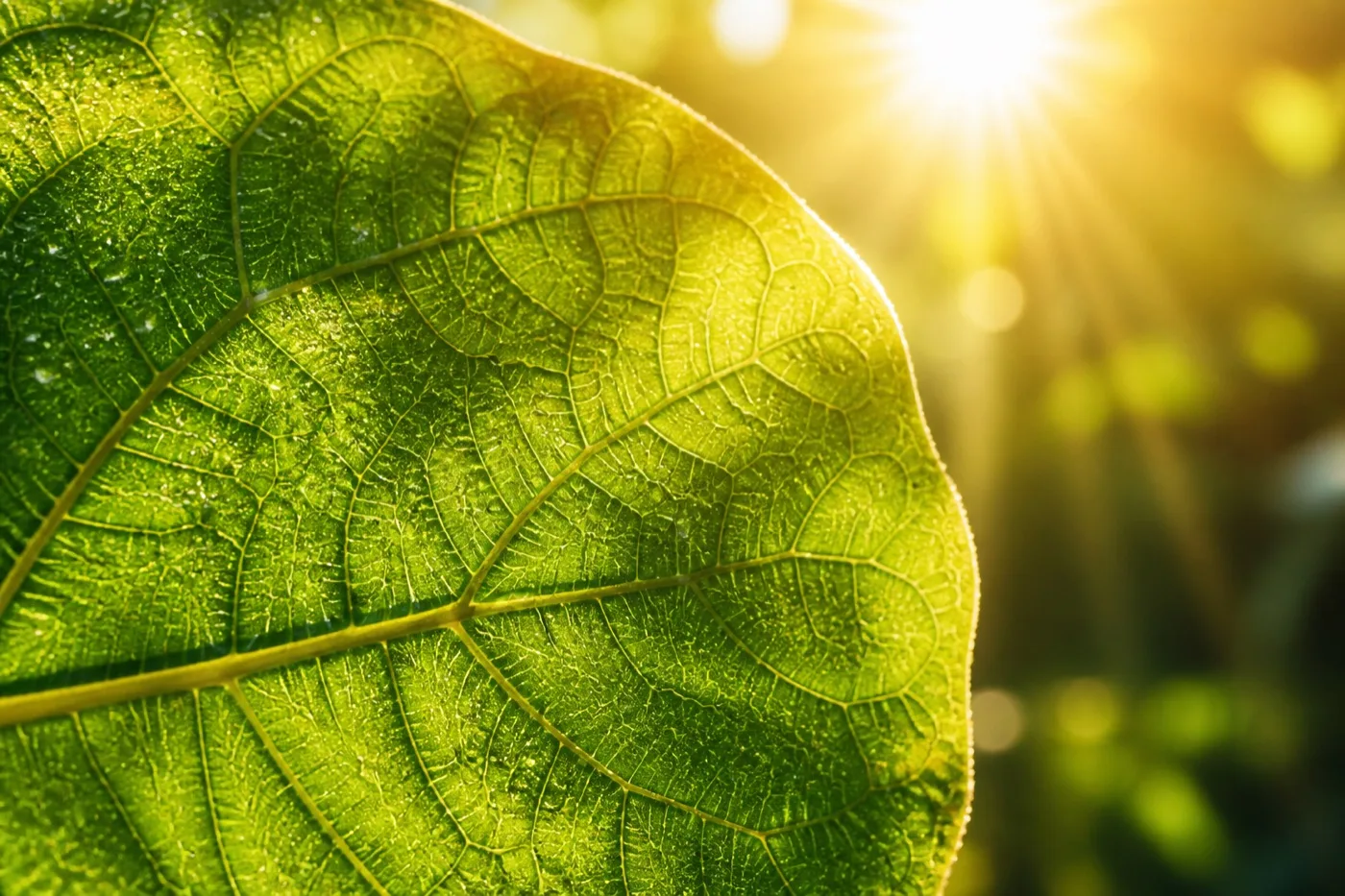
How does chlorophyll help photosynthesis?
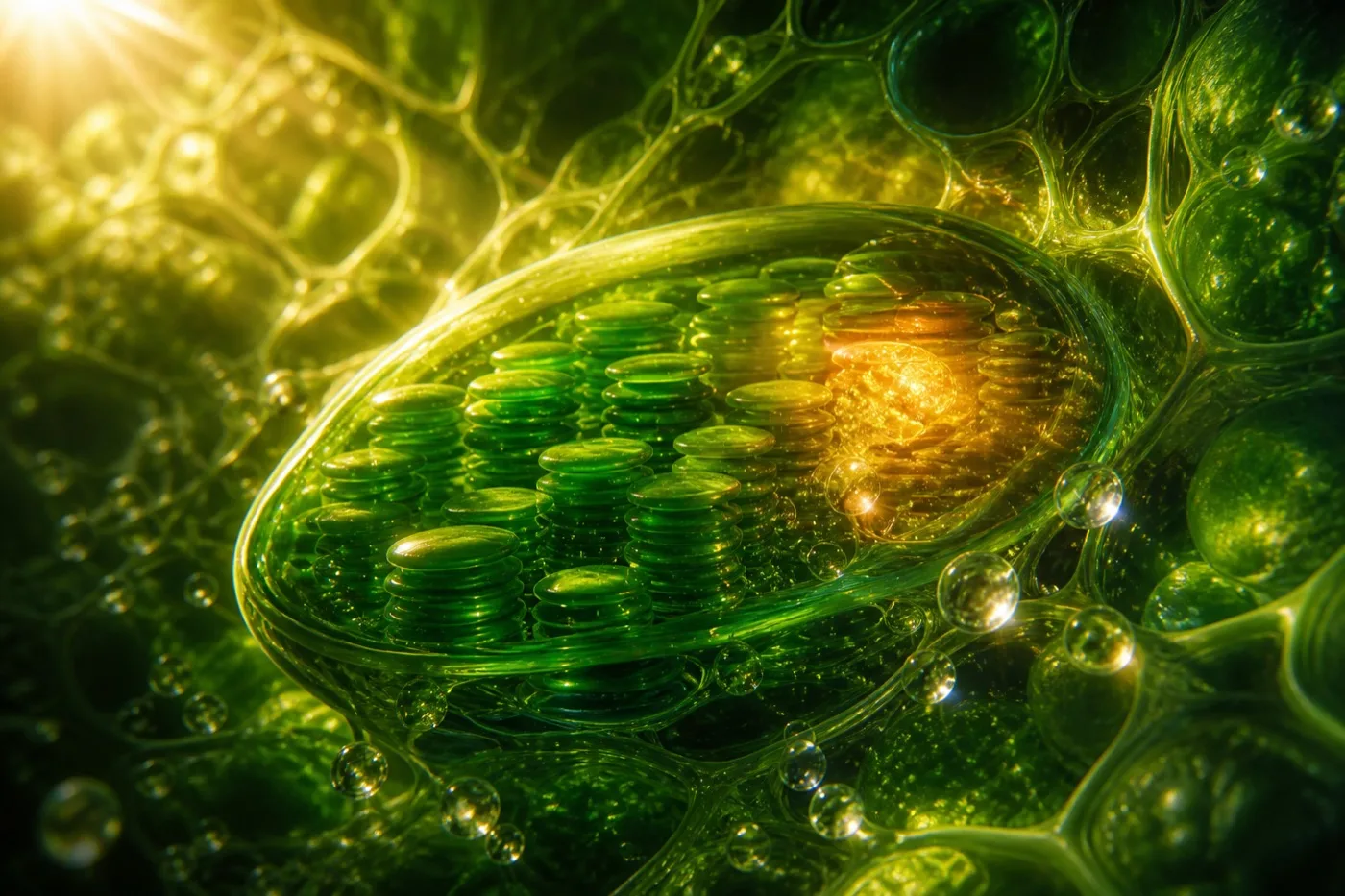
Chlorophyll absorbs light that a plant or photosynthetic alga can use to make chemical energy. In green plants, it sits in chloroplasts. Photosynthesis uses light energy in a process that makes sugars from carbon dioxide and water.
That is the role of chlorophyll in the organism. Eating chlorophyll does not allow a person to photosynthesise.
Is chlorophyll like human blood?
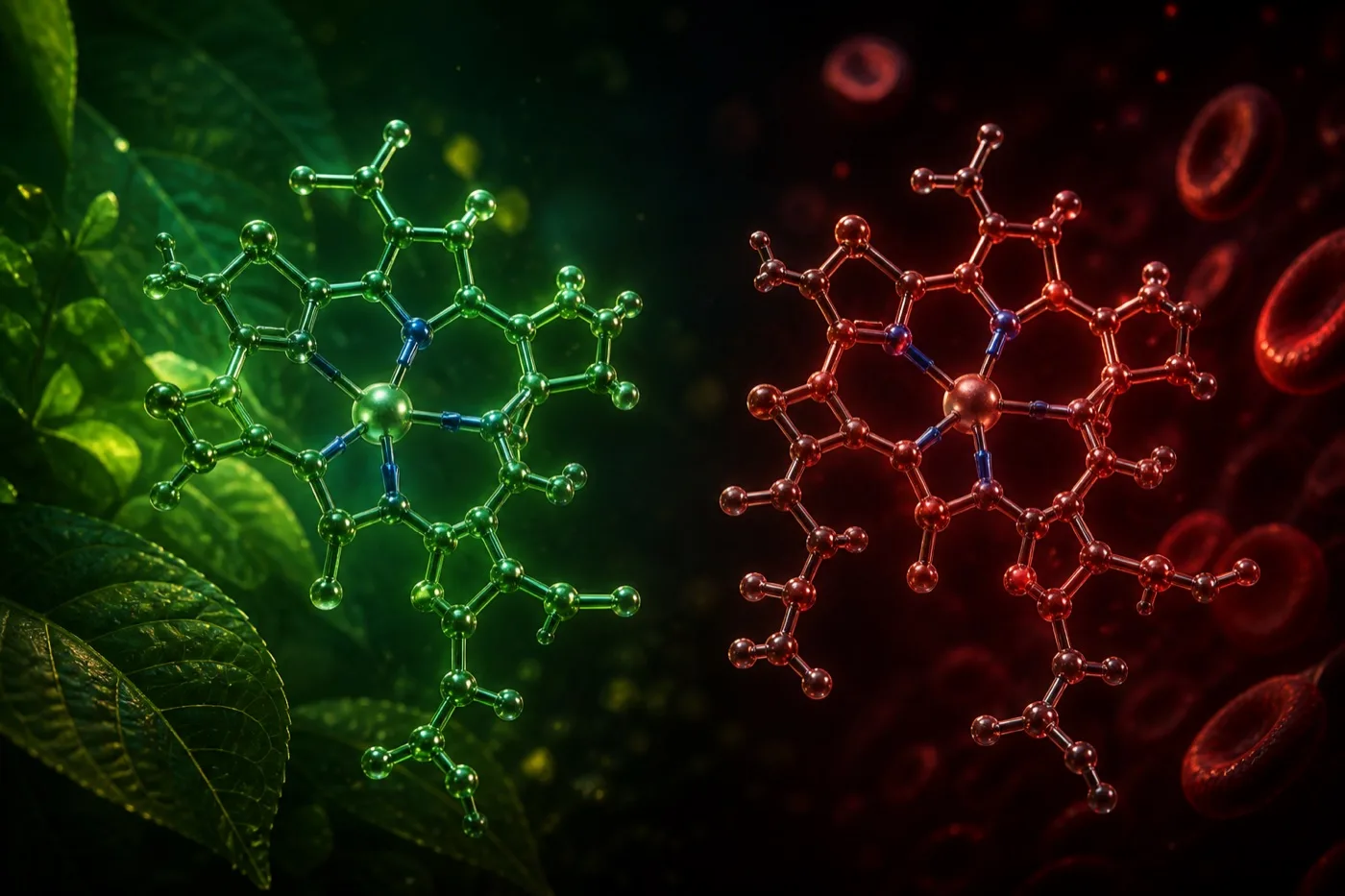
“Green blood” is a nickname. It does not describe how chlorophyll works in people. Chlorophyll contains magnesium within its ring structure. The haem group in haemoglobin contains iron, and haemoglobin is a larger protein that carries oxygen in blood.
Some structural resemblance does not mean that chlorophyll becomes haemoglobin or improves oxygen transport when eaten. A claim about blood health needs evidence beyond the colour or shape of a molecule.
How should you read chlorophyll claims?
Check whether a study used natural chlorophyll, a chlorophyll derivative such as chlorophyllin, a whole food or a finished supplement. These are different materials, and the way people use them matters.
Laboratory antioxidant findings or research on a topical preparation do not establish that oral Vplus tablets detoxify the body, heal wounds, change appetite or improve blood health. To assess a claim, ask for the study, and for the product and serving it tested.
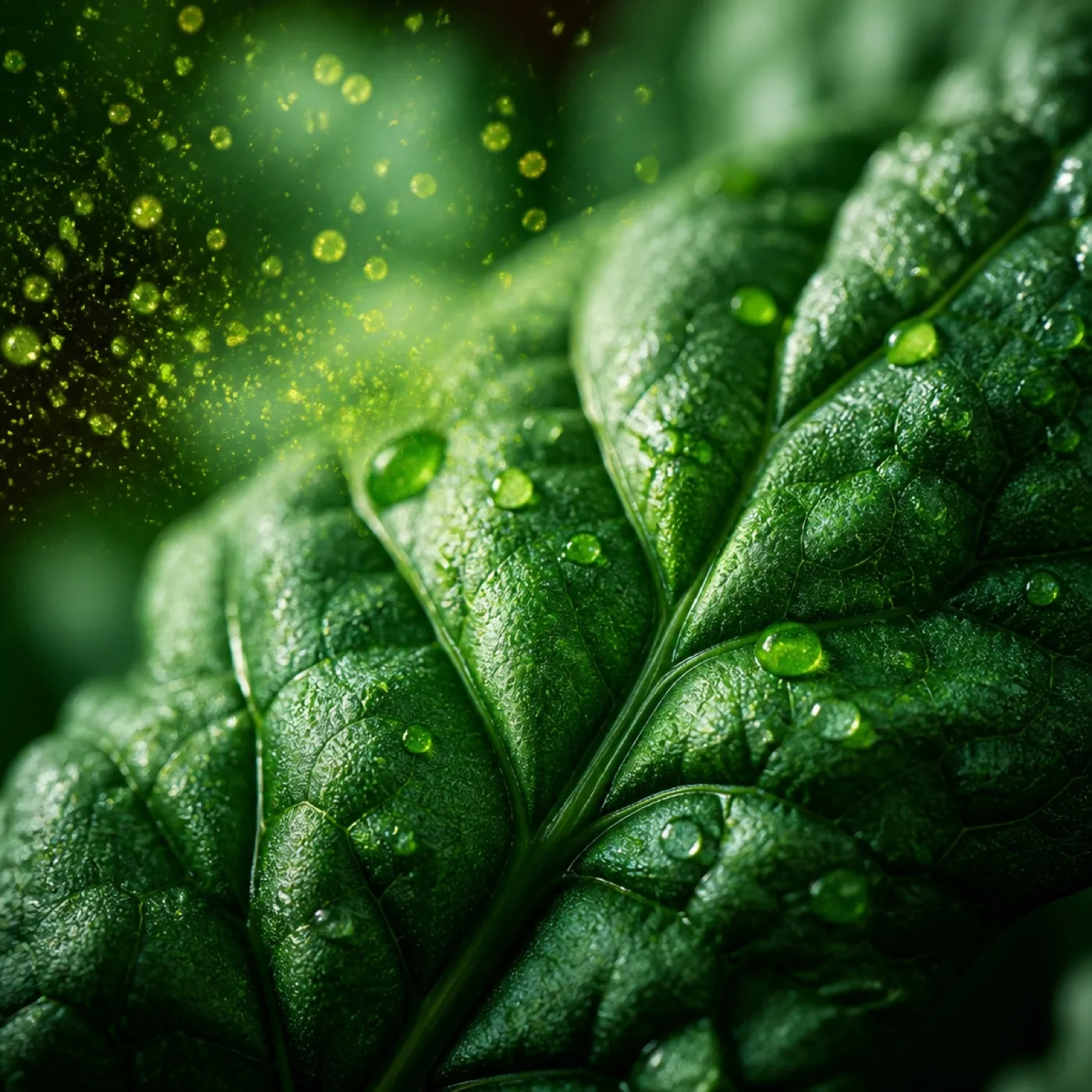
What was tested?
Check whether the research used a whole food, an extract or a finished supplement.
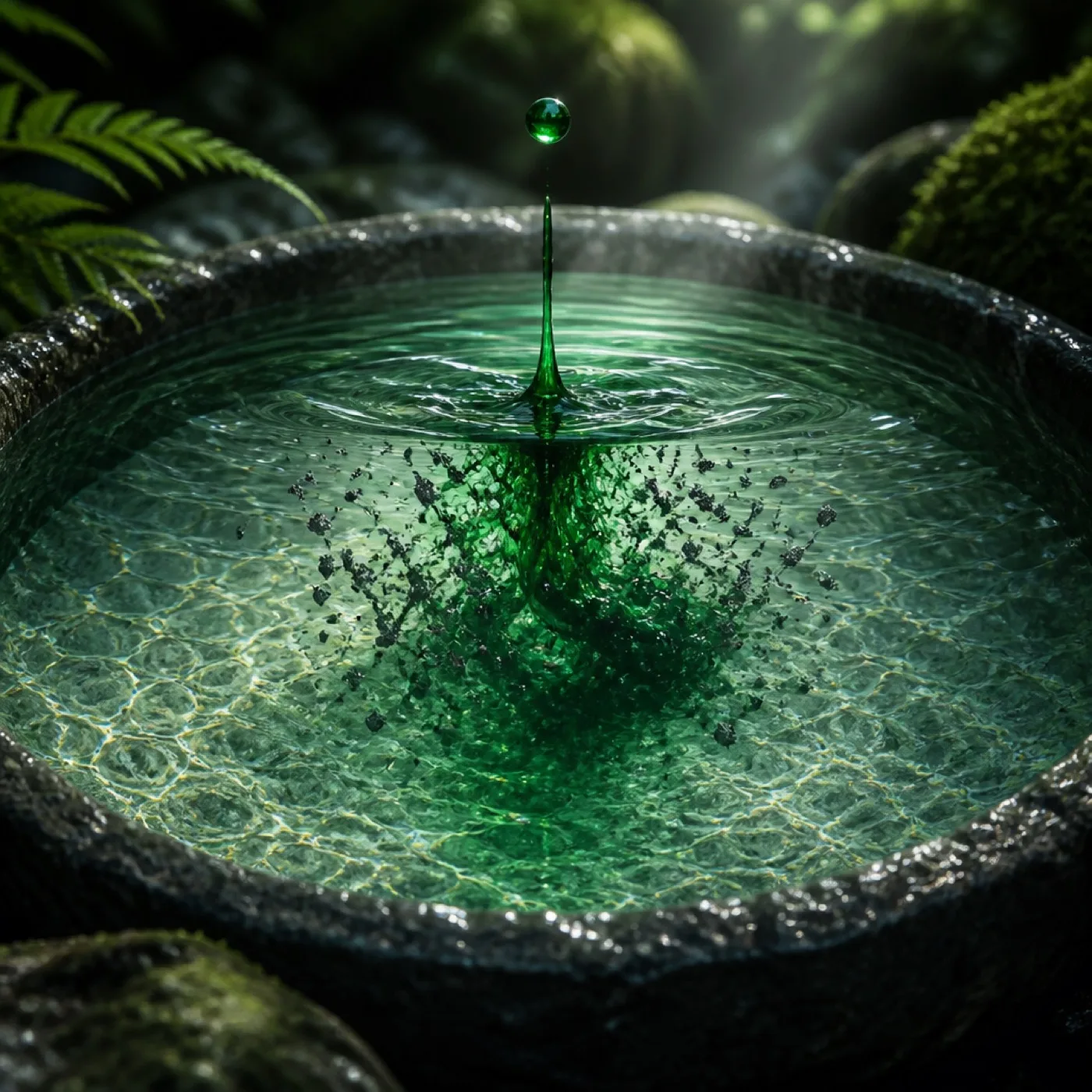
Which ingredient?
Chlorophyll and chlorophyllin are different materials. Read the name in the study.
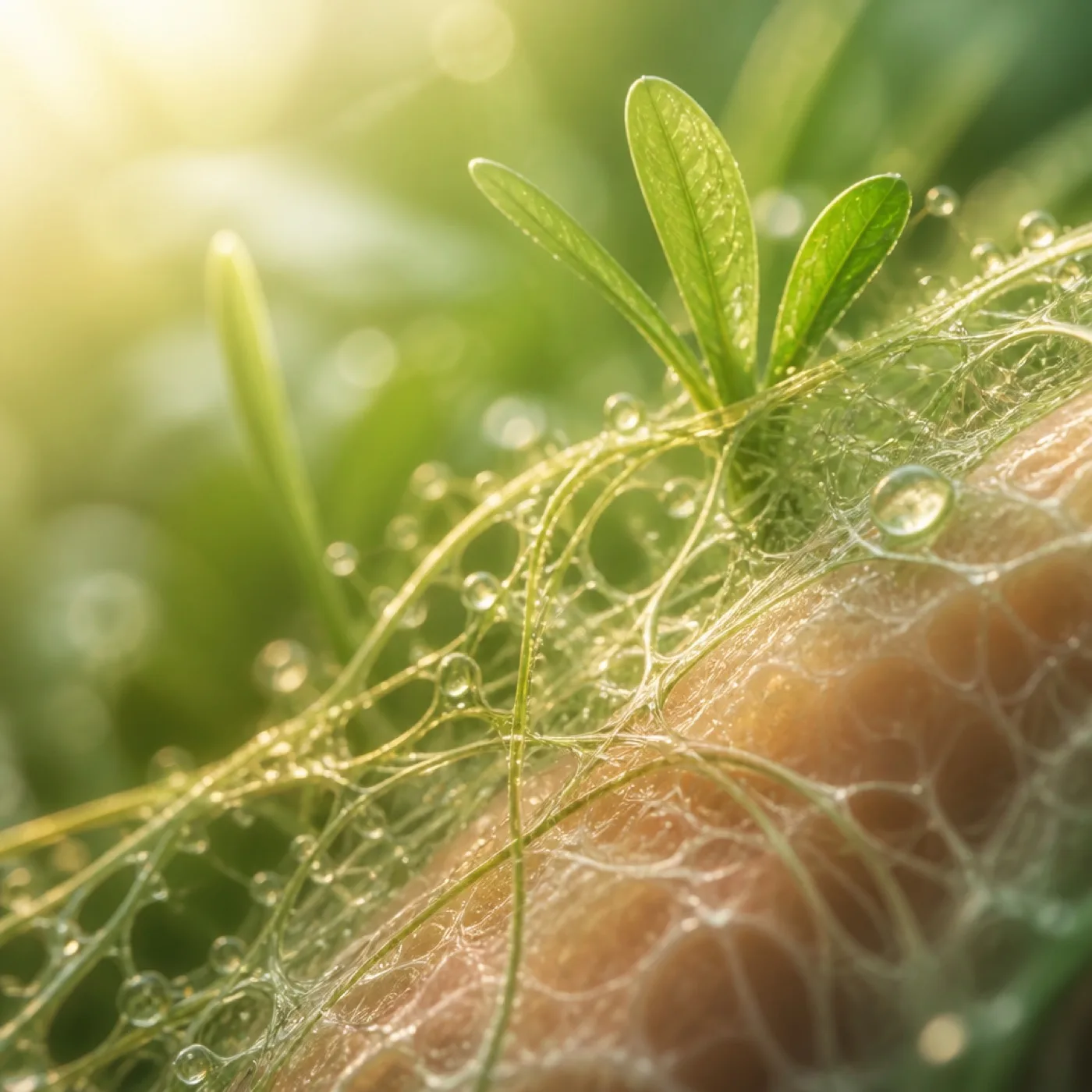
How was it used?
A skin preparation and a swallowed supplement have different routes of use.

What was measured?
A molecular diagram cannot show a change in human blood or oxygen transport.
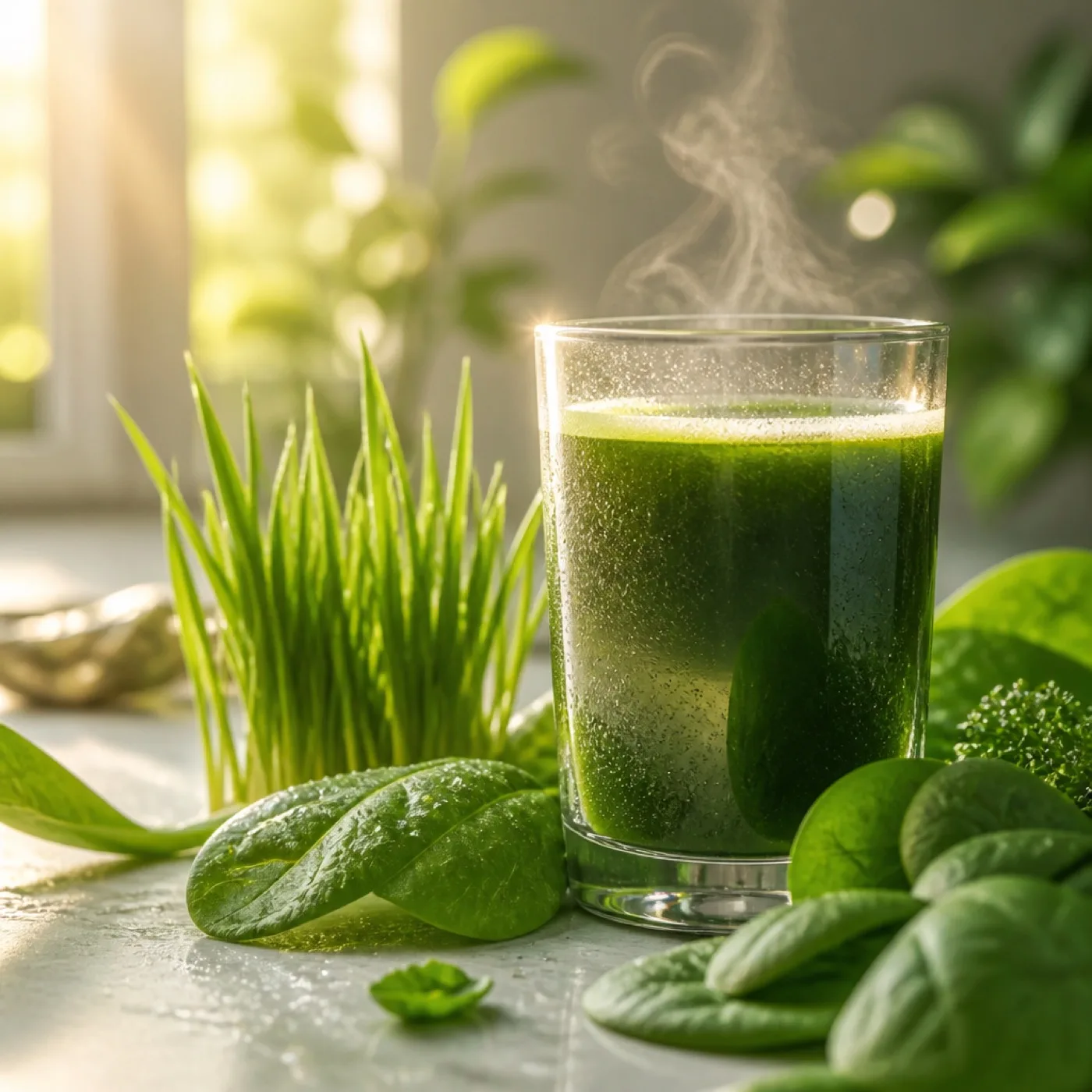
Does the serving match?
Compare the study amount with the amount in the product you are considering.
Which foods contain chlorophyll?
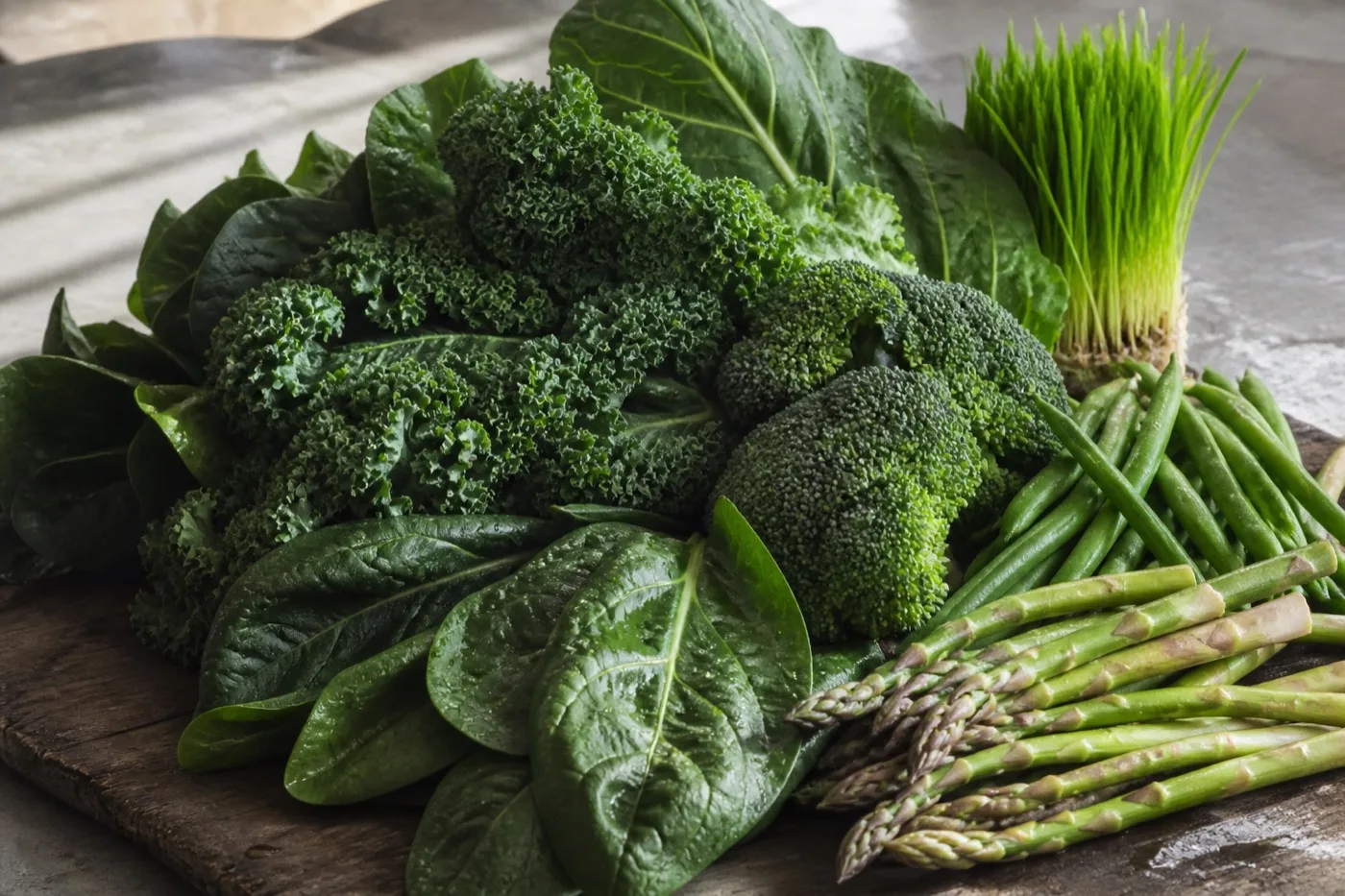
Spinach, kale, broccoli, green beans and other green vegetables contain chlorophyll. Chlorella and spirulina contain it too. The amount varies with the food, preparation and portion.
Choose vegetables for their place in a varied diet rather than trying to maximise green pigment alone. A deeper colour does not tell you the complete nutritional value of a food.
Further reading: Oregon State University chlorophyll guide.
How does Vplus fit alongside vegetables?
Vplus contains algae ingredients, while vegetables provide food in larger portions and a different mix of nutrients and fibre. Keep vegetables in your meals if you choose to take Vplus.
For the tablet count, serving directions and pack choices, see the product information and follow your current label.