How to read a cholesterol test
Most cholesterol reports include total cholesterol, LDL cholesterol, HDL cholesterol and triglycerides. Your doctor considers these together with factors such as age, smoking, blood pressure and diabetes. A total cholesterol number alone cannot tell you whether you need treatment or what your personal LDL target should be.
What a lipid panel measures
Cholesterol is a waxy fat. Every cell uses it to build its membranes, and the body makes hormones and vitamin D from it. The liver produces most of what the body needs, and food adds a smaller amount on top.
Fat does not dissolve in blood, so cholesterol travels inside particles called lipoproteins. The lipid panel counts how much cholesterol is riding in each kind. That is the whole idea behind "good" and "bad" cholesterol. The cholesterol is the same substance in both. The carriers differ, and each kind behaves in its own way in the arteries.
Singapore laboratories report in millimoles per litre, written mmol/L. American websites use milligrams per decilitre, so a figure of 5.2 mmol/L appears as about 200 mg/dL on an American page. If you read overseas advice, check the unit before worrying about the number.
Healthier SG Screening includes the lipid panel from age 40, and most polyclinics and GP clinics can order it at any age when there is a reason to.
The main results on the report
Total cholesterol measures cholesterol carried across different lipoproteins. It is useful alongside the other results, but cannot show your overall cardiovascular risk by itself. A higher HDL can increase the total, without making a high LDL harmless.
- LDL cholesterol is the figure called "bad". Low-density lipoprotein particles deliver cholesterol to tissues, and when there are too many of them, cholesterol settles in artery walls and builds into plaque. A higher LDL over many years means a higher risk of heart attack and stroke, and it is the line doctors act on.
- Many people call HDL cholesterol good cholesterol because HDL particles take part in returning cholesterol to the liver. Low HDL can be a risk marker, but a high result does not cancel the risks of high LDL. Medicines that raise HDL have not reduced cardiovascular events with any consistency, so most treatment focuses on lowering LDL and overall risk.
- Triglycerides are a different fat, the form the body uses to move spare energy around. They rise after a meal, and they rise with alcohol, sugary drinks, refined carbohydrates and excess weight. Very high levels can also inflame the pancreas.
Some reports add a fifth line, non-HDL cholesterol, which is total minus HDL. It gathers all the unhelpful particles into one figure, and more doctors now use it alongside LDL.
Triglycerides are the reason for the fasting instruction. A meal in the previous few hours pushes them up and can distort the calculated LDL. Some clinics now accept a non-fasting sample for a routine check. Follow the instruction on your appointment slip.
Why LDL targets differ between people
There is no single normal LDL. Doctors estimate a person's overall chance of a heart attack or stroke over the coming years, using age, sex, smoking, blood pressure, diabetes and the lipid figures together. Singapore's guidelines then set an LDL target according to that risk band. Someone at lower cardiovascular risk may receive lifestyle advice first, while someone with established cardiovascular disease or certain other conditions may need a much lower LDL target and medication. Very high LDL or a suspected inherited disorder requires attention even in a younger person.
Take two people who both have an LDL of 3.8 mmol/L. One is a 35-year-old who does not smoke, has normal blood pressure and no family history. The other is a 58-year-old smoker with high blood pressure and type 2 diabetes. The doctor may tell the first to watch the diet and re-test in a year or two, and may start the second on tablets at that visit. The LDL figure is one input. The rest of the sheet and the person's own circumstances supply the others.
Family history is a separate factor. Some people inherit a very high LDL from childhood, a condition called familial hypercholesterolaemia. Diet helps at the margin and cannot fix it alone. A parent or sibling who had a heart attack at a young age, or an LDL that is very high in a slim person who eats well, are both reasons to raise this with your doctor.
Food choices that can improve your results
Cholesterol in food can affect blood cholesterol, and individual responses vary. For many people, replacing saturated fat with unsaturated fat is a more useful dietary focus than avoiding eggs alone. The overall eating pattern and any specific advice from your clinician still matter.
The stronger dietary influence on LDL is saturated fat, with trans fat close behind. In a Singapore diet that means coconut milk in laksa, curries and nasi lemak, fatty meat and skin, lard in char kway teow, the butter on kaya toast, ghee, and the palm oil in fried snacks and many baked goods. The cooking fat and the cut of meat shift the number more than the egg on top does.
Useful dietary changes include the following:
- Swap saturated fat for unsaturated fat. Use canola, olive, sunflower or peanut oil in place of lard, ghee or coconut oil. Eat nuts and oily fish in place of fatty meat.
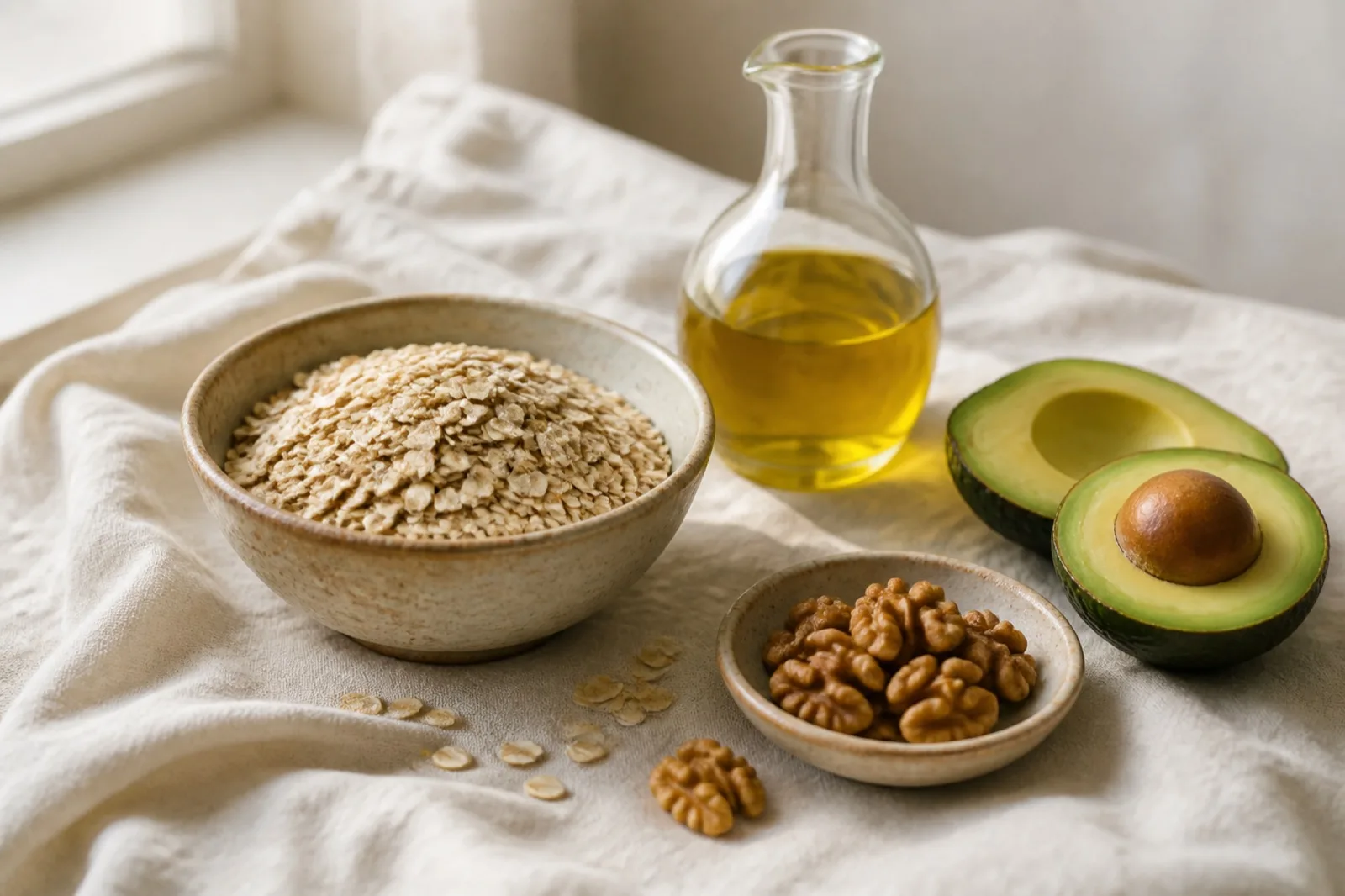
- Add soluble fibre. Oats, barley, beans, lentils and ladies' fingers all carry it, and it binds cholesterol in the gut.
- Reduce body weight where it is high. A modest loss improves LDL and triglycerides together.
Triglycerides answer to a different list. Alcohol, sweetened drinks, large portions of white rice and noodles, and excess weight push them up. Regular activity brings them down and nudges HDL upward at the same time.
On eggs, the usual position is that a moderate intake is fine for healthy adults. People with diabetes or a very high LDL should ask their doctor, since the advice for them can differ.
How medicines fit into treatment
Statins lower LDL by reducing the amount the liver makes. Doctors prescribe them on the basis of overall risk, using the same calculation described above. Other medicines exist for people who cannot take a statin or who need a lower LDL than a statin alone can reach.
The common worry is muscle aches. Most people take statins without trouble, and where aches do occur the doctor can change the dose or the drug. If you get a side effect, phone the clinic. Stopping on your own, or replacing the tablet with a change of diet, leaves the risk where it was.
Diet continues alongside the medicine. The two add together, and the usual practice is to repeat the lipid panel within a few months of starting or changing a dose, to see where the figures have settled.
Questions to ask about your report
Ask which part of the lipid panel needs attention and what your personal LDL target is. Tell the clinic whether you followed any fasting instructions. A non-fasting triglyceride result can still be useful, so do not dismiss it as an effect of your last meal.
A Healthier SG Screening result is a starting point. A borderline figure is a reason to look at cooking fat, fibre and weight over the coming months, and to re-test as advised. A very high figure, or a strong family history, is a reason to see the doctor sooner. If you already take a statin, keep taking it while making those changes, and let the next panel show the combined effect.
A practical next step
Ask your doctor which result needs attention, what your LDL target is and when to repeat the test. Continue prescribed treatment while making dietary changes, and report possible side effects as soon as you notice them.
Sources and further reading
These references explain the guidance and research discussed above. For advice about your own health, speak to a qualified healthcare professional.
Read next
Blood pressure: what the two numbers mean
Two numbers
Blood sugar and HbA1c: what the test tells you
A snapshot