Eating well after sixty with a smaller appetite
A smaller appetite can make it harder to eat enough. You can adapt familiar foods to include protein, vegetables and energy without making the portion larger. A persistent change in appetite or unintentional weight loss deserves a healthcare review.
Look at what has changed
Think about when appetite changed and whether chewing, swallowing, shopping or cooking has become difficult. Medicines, illness and dental problems can also affect eating. Share these details with a doctor if food intake is falling.
Smaller, more frequent meals may be easier than three large ones. Make use of the times when your appetite is strongest. If you follow a prescribed diet or fluid limit, ask a dietitian how to adapt meals to it.
Add variety to familiar meals
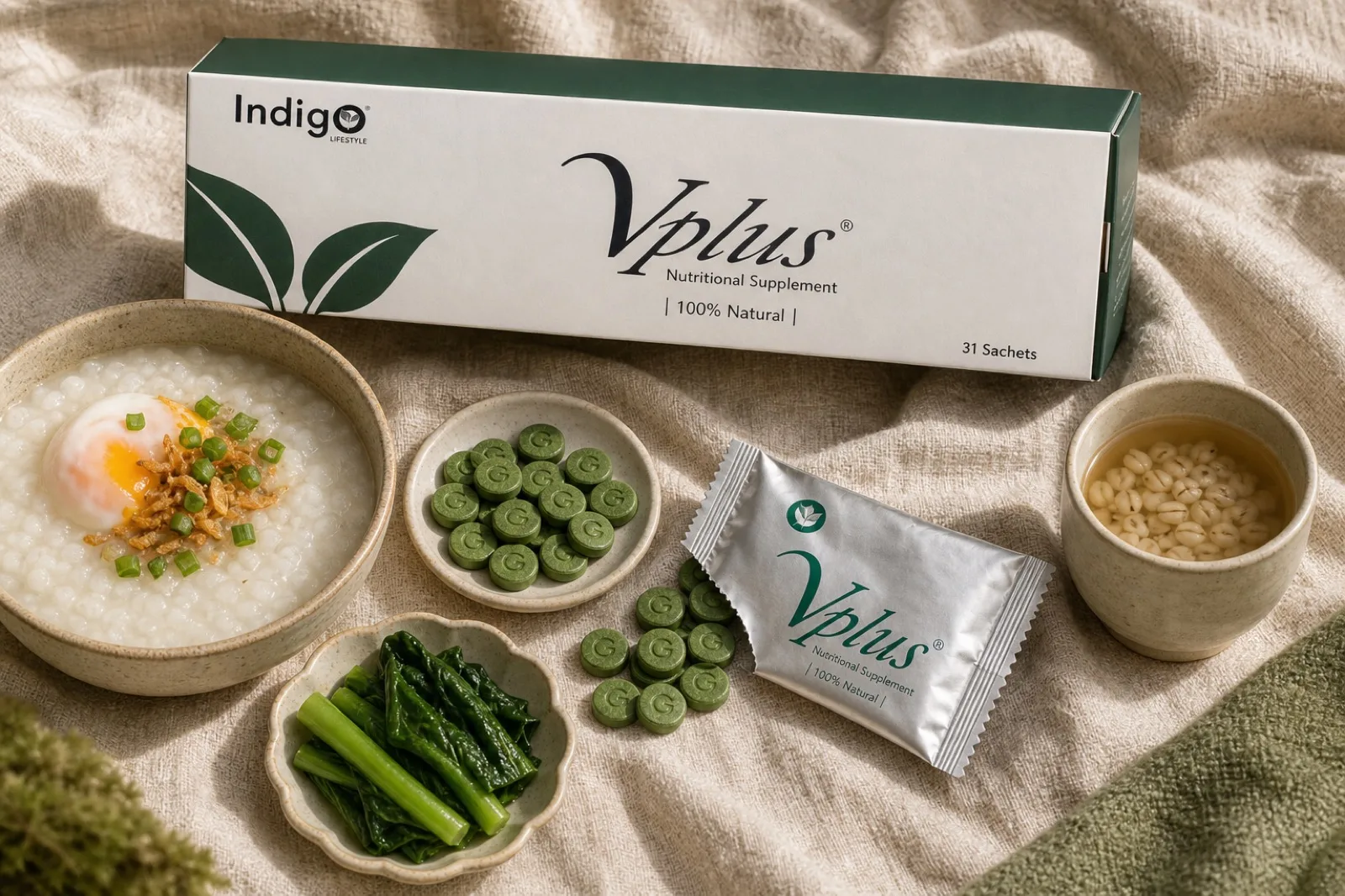
Porridge
Include tofu, fish or egg with vegetables, rather than relying on plain rice porridge alone.
Breakfast
Try an egg, yoghurt or a suitable fortified drink alongside toast or oats. Choose textures you can manage.
Lunch and dinner
Include a protein food such as beans, lentils, tofu, fish or chicken. Add vegetables and a portion of rice or another grain.
HealthHub recommends attention to protein as people age. The amount and texture should suit your health and needs; a dietitian can help if meals remain small or weight is falling.
Where does Vplus fit?
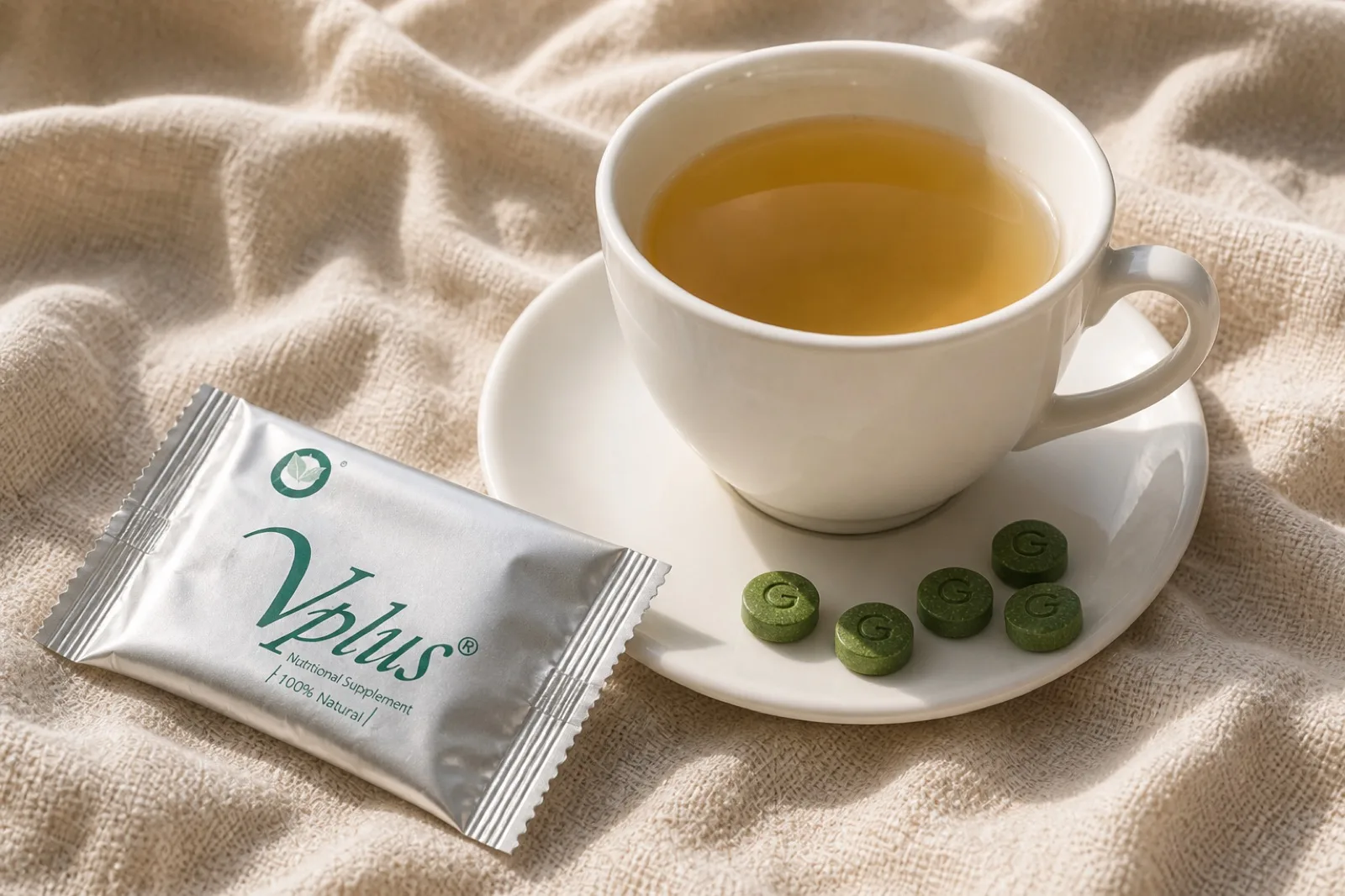
Vplus is an optional supplement, not a treatment for poor appetite or malnutrition. Twenty tablets weigh four grams in total, so they cannot provide the energy and protein of a meal.
Indigo’s published directions say twenty tablets once or twice daily, and recommend morning use before food. Follow the directions on your current pack.
Check with a doctor or pharmacist if you take medicines or need advice about a suitable amount. Continue adapting meals to your appetite and nutritional needs whether or not you choose Vplus.
Further information: Vplus Formula: ingredients, pack details and directions; healthhub.sg: nutrition frailty; healthhub.sg: malnutrition.
Read next
A gentle start after 60
Five, then ten, then twenty
Vplus and your medication
The conversation with your doctor