
Could algae play a bigger role in food production?
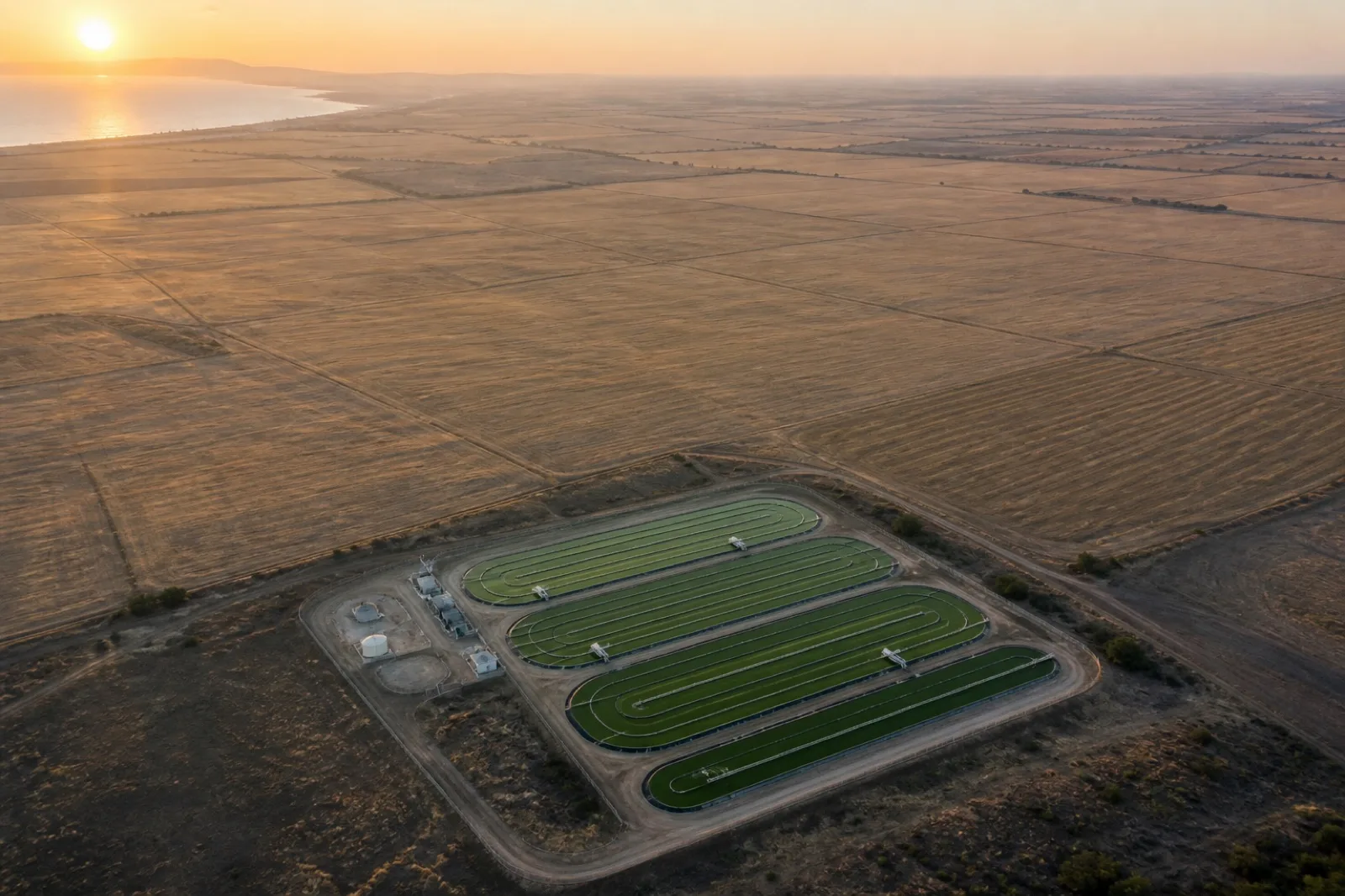
Producers can grow algae in ponds and enclosed systems, including on land unsuitable for conventional crops. Researchers are exploring its use in food, but its environmental impact depends on energy, water, nutrients and processing. Each algae product has its own footprint.
What resources does cultivation use?
Growers can cultivate algae away from arable soil, but cultivation still uses space, water, nutrients and equipment. Ponds and enclosed systems have different demands. Harvesting and drying can also require substantial energy.
A life-cycle study of microalgae production found that environmental comparisons changed with cultivation and processing. Some scenarios had lower impacts than certain foods, while others had higher impacts. A blanket “lowest footprint” claim misses these differences.
Does growing algae remove carbon permanently?
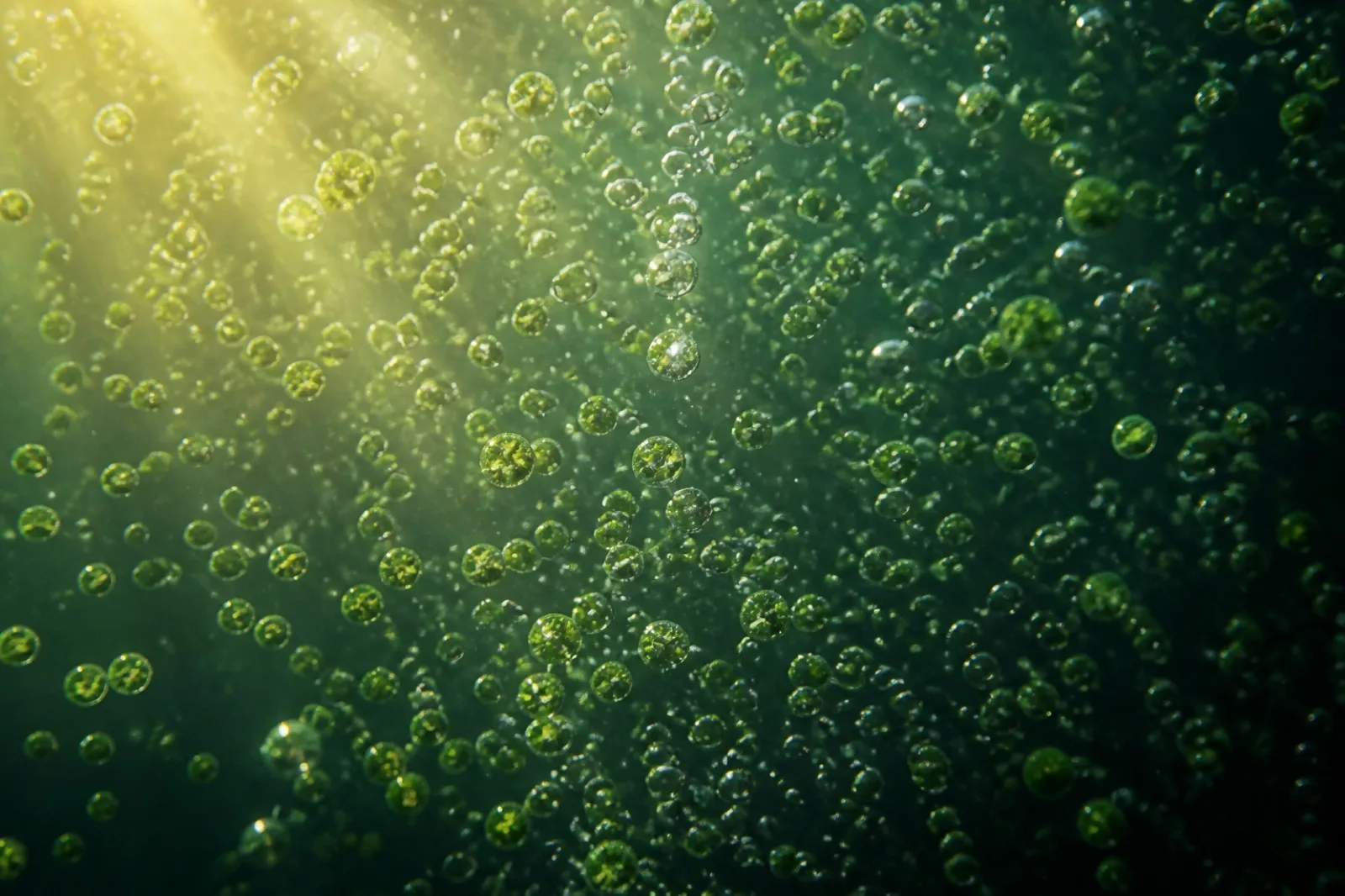
Photosynthetic algae use carbon dioxide as they grow. That does not make the finished food a permanent carbon store: carbon can be released again when the biomass is consumed or breaks down. Fermentation systems also have a different energy and carbon balance.
To compare products, look for a life-cycle assessment that includes the relevant inputs, production stages and comparison. A fast growth rate or a photograph of a pond cannot establish the carbon footprint of a packaged supplement.
What does this mean for Vplus?
Vplus uses algae ingredients in a convenient tablet format. Those ingredient facts do not establish a measured environmental advantage for the finished product. That would need evidence covering its actual supply chain and processing.
Algae remain an interesting food-production option. Useful progress depends on the efficiency of particular systems, the resources they use and the food they replace.
Further reading: Life-cycle study of algae cultivation.
Read next
Our story
Singapore, since 2009
Why we still sell on WhatsApp
A message thread leaves room for context and an honest answer